


Federal Funding to Transform Rural Healthcare in Wyoming
By Katie Klingsporn, WyoFile
Healthcare Challenges in Carbon County
Carbon County, covering 8,000 square miles in southern Wyoming, is characterized by its remote geography and severe weather conditions, which complicate the provision of healthcare services. Memorial Hospital of Carbon County experiences typical challenges found across the state, including low patient volumes, high operational costs for round-the-clock emergency services, and significant difficulties in hiring and retaining medical staff.
In 2022, the Rawlins-based hospital had to halt its labor and delivery services, forcing residents to travel roughly 100 miles to Laramie for obstetric care.
Impact of New Federal Funds
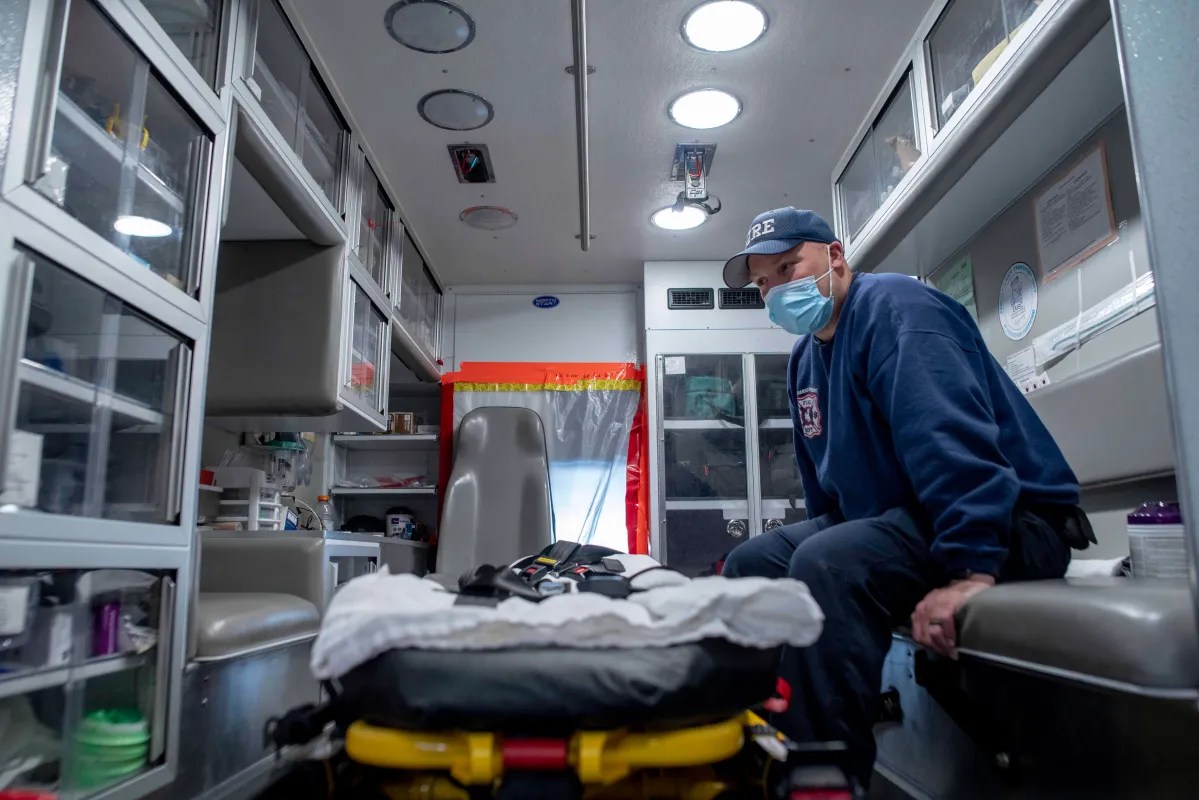
However, recent funding advancements are set to provide a much-needed boost. Memorial Hospital’s CEO, Kerry Ashmant, announced that $5.8 million from the Rural Health Transformation Program will enhance essential services, especially in Emergency Medical Services (EMS) and critical patient services such as hemodialysis for chronic illness management. Ashmant emphasized the broader significance of this funding, stating, “For a rural hospital like ours, funding of this kind represents much more than financial assistance. It signifies a commitment to the families who depend on local healthcare and that access to essential medical services should not be determined by zip code.”
Statewide Healthcare Improvements
Governor Mark Gordon, along with U.S. Senator John Barrasso and various healthcare leaders, recently celebrated the allocation of $205 million in federal funds to address the healthcare needs in the state. This financial assistance marks a collaborative effort — a notable achievement considering the swift timeline from application to funding.
“I can’t believe the level of teamwork and thoughtfulness that’s gone into this in a super tight timeline,” expressed Matt Dammeyer, CEO of Memorial Hospital of Converse County, which will receive over $5 million to bolster its hospital and EMS services.
A Strategic Approach to Funding
Wyoming is expected to receive up to $1 billion over the next five years via this initiative, which is designed to counterbalance healthcare cuts and address the needs of uninsured citizens. Barrasso underscored that the program could significantly enhance the quality of care available in remote areas.
Directing the funding efficiently poses its own challenges, as the state aims to implement sustainable solutions rather than a temporary influx of cash. The Wyoming Department of Health, under the guidance of Director Stefan Johansson, has chosen to focus on essential innovations to fortify the healthcare infrastructure.
Detailed Breakdown of Fund Allocation
The Centers for Medicare and Medicaid Services granted Wyoming $5 million more than initially requested—leading to the second-largest award per capita after Alaska. The funding is categorized as follows:
- $91.8 million for enhancing access to emergency medical care, aimed at incentivizing hospitals to provide key services and improving regional EMS capabilities.
- $56.3 million to expand the rural healthcare workforce through educational grants and targeted training programs.
- $38.6 million destined for the “Make Wyoming Healthy Again” initiative, focusing on holistic health improvements through integrated care approaches.
- $16.9 million aimed at advancing health technology, including telehealth services for better healthcare delivery.
Looking Forward
With year-one funding obligations now established, Wyoming is preparing to leverage these resources for sustainable impacts in rural healthcare. The state health department will monitor the effectiveness of these initiatives and report back to federal authorities. Award recipients are already strategizing their implementation processes, signaling a proactive approach to improving health outcomes across the state.
For instance, Johnson County Hospital District has been allocated $4.8 million to enhance its technology infrastructure, enabling more efficient patient record management and care delivery.
This article was first published by WyoFile and is republished here with permission. WyoFile is an independent nonprofit news organization dedicated to Wyoming’s communities and policies.
