


Israeli Citizens Fly Back for Crucial Election Amid Political Turmoil
Election Context
Israel is approaching a significant election that could reshape its political landscape, marked by tensions surrounding security and social divisions. The election, set for Tuesday, follows a heated campaign period and presents a pivotal choice for the electorate.
Voting from Abroad
In a noteworthy turn of events, approximately 80,000 Israelis living outside the country are anticipated to return to cast their votes. Israel does not permit overseas voting for most citizens, making this significant return highly impactful for the close election results, according to estimates from advocacy groups.
“While not a large block, the 80,000 that may return home to participate could make a big difference in the final count of a very tight election,” stated Yael Shomer, a political science professor at Tel Aviv University.
Candidates and Key Issues
The election will feature seasoned Prime Minister Benjamin Netanyahu from the Likud party, who has held office for a total of 18 years, facing off against Gadi Eisenkot, former chief of staff of the Israeli Defense Forces and the leader of the Yashar party. With both candidates likely needing coalition support to secure victory, the stakes are undeniably high.
Voter sentiment is influenced heavily by pressing issues including national security, particularly with the ongoing conflict involving Iran, the divisive exemption of certain ultra-Orthodox men from military service, and Netanyahu’s controversial moves to enhance political control over the judiciary.
High Voter Turnout Expected
This election is projected to see increased voter engagement, with estimates suggesting turnout could rise to as high as 87%, a significant increase from the 70% observed in the 2022 elections. Among foreign service workers, the turnout is recorded at about 90%, underscoring the strong interest in shaping Israel’s future.
Organizations like Fly & Vote, established by the America-Israel Democracy Coalition, are facilitating the return of citizens abroad to ensure they can participate. Through private donations, the organization has arranged special flights and purchased tickets to support voters in returning to Israel, while adhering to laws that bar political organizations from directly funding travel.
Travel and Accessibility
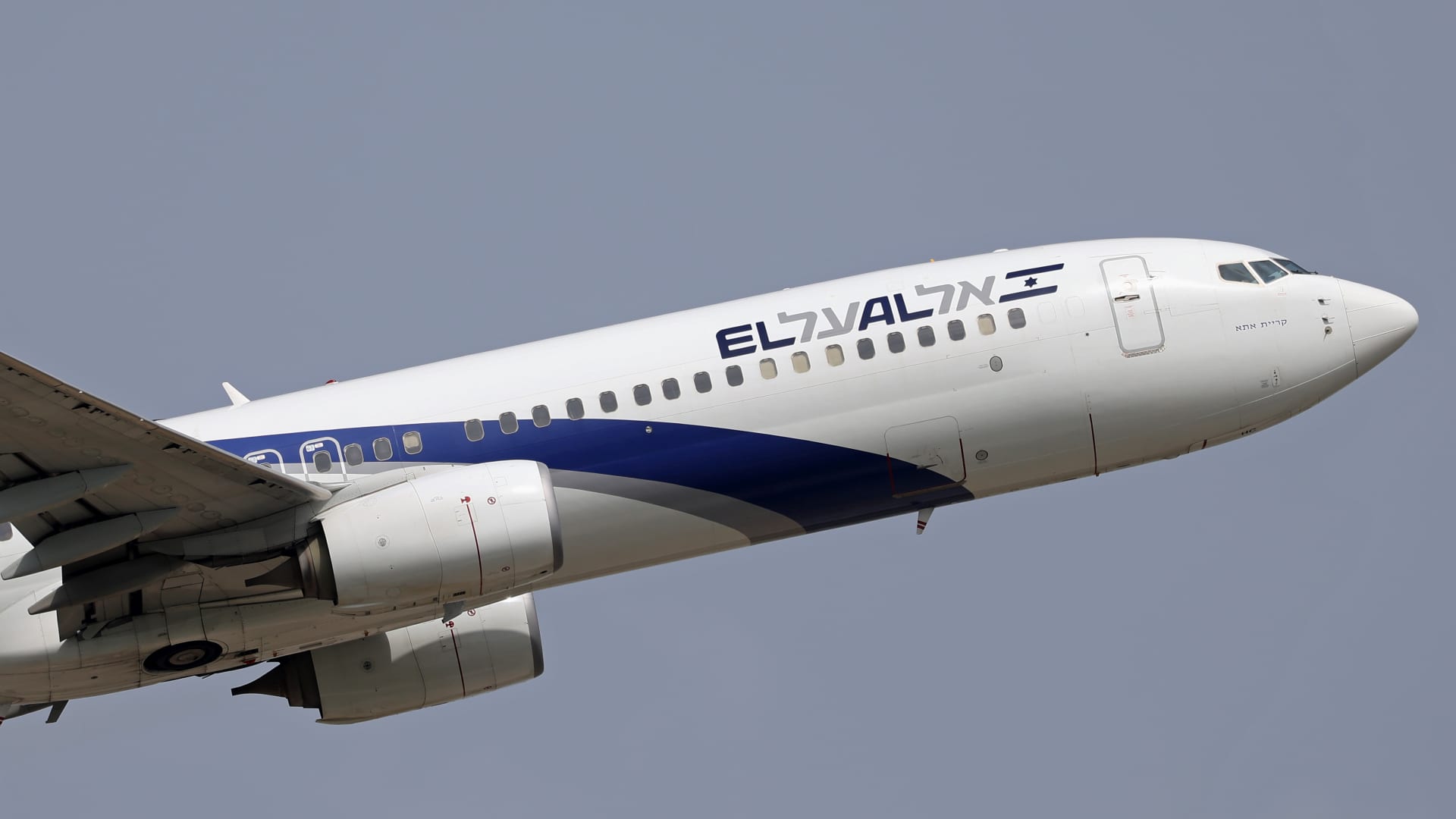
For returning voters, various commercial flight options are available. El Al remains a primary airline for routes from the U.S. to Israel, while Arkia and Israir have expanded options recently. Major U.S. airlines like United and Delta have also resumed flights following a suspension due to security concerns, making travel accessible for those wishing to participate in the election.
As of recent reports, ticket prices for these flights ranged from $1,300 to $2,500, consistent with pre-crisis rates, helping to ease travel logistics for returning voters.
Implications of the Election
This election is not just another political contest; it represents a critical crossroads for Israel in terms of its governance, security policy, and societal cohesion. Given the backdrop of political fragmentation experienced in previous years with multiple elections, the outcome will likely have long-lasting effects on Israel’s trajectory.
“All elections in Israel are energetic, but this one is particularly significant and has seen a especially hard-fought campaign,” remarked Shomer. “This is about how we envision our future, and high voter turnout is expected.”