


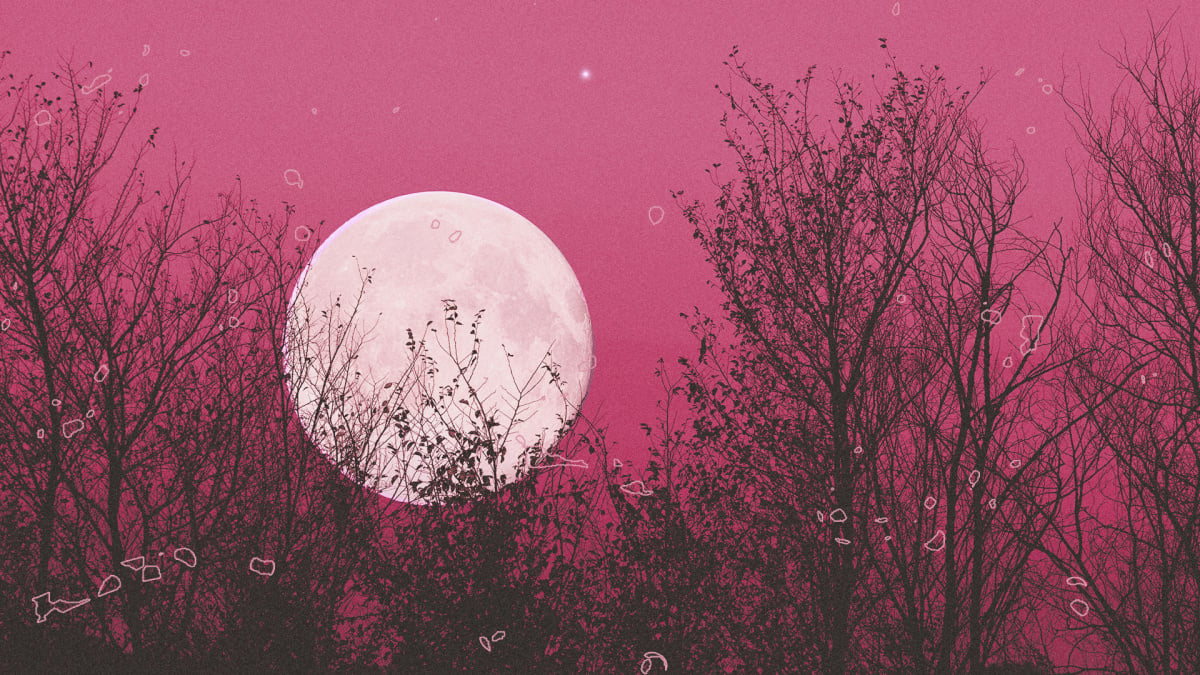
The Current Phase of the Moon and Understanding Lunar Cycles
As of Sunday, November 8, the Moon is positioned in the Waning Crescent phase, showcasing just 1% of its surface to observers from Earth. This minimal visibility means that tonight, viewers are unlikely to detect any easily recognizable features on the lunar surface.
Upcoming Lunar Events
The next significant lunar event is set for November 24, when the Full Moon will occur. This will represent the peak of illumination, displaying a fully bright face of the Moon, allowing for observation of its numerous features.
Understanding Moon Phases
The Moon undergoes a continuous and cyclical journey around Earth, completing one full cycle approximately every 29.5 days. This journey impacts the visibility of the Moon from our perspective, resulting in various phases.
The Eight Phases of the Moon
The lunar phases, as categorized by NASA, are as follows:
- New Moon: The Moon is between Earth and the Sun, making its illuminated side face away from us, rendering it invisible.
- Waxing Crescent: A small fraction of the Moon’s surface begins to light up, appearing as a sliver on the right.
- First Quarter: Half of the Moon’s surface is illuminated on the right side, creating the classic half-Moon shape.
- Waxing Gibbous: More than half of the Moon is illuminated but it is not yet fully lit.
- Full Moon: The entire face of the Moon is bathed in sunlight, making it fully visible and bright.
- Waning Gibbous: The Moon starts to lose illumination, with the right side gradually darkening.
- Third Quarter (or Last Quarter): Again, half of the Moon is visible, but now the left side is illuminated.
- Waning Crescent: A thin sliver of the Moon’s light remains on the left side before it transitions back to the New Moon phase.
Conclusion
The Moon’s phases not only captivate stargazers but also reflect the natural rhythms of time and celestial mechanics. As we await the upcoming Full Moon on November 24, enthusiasts can engage in the wonder of lunar observation, learning to appreciate the beauty and complexity of our closest celestial neighbor.
