


New Insights into Neanderthal Woodworking from Abric Romaní
The Stone Age is named after the iconic stone tools that have survived the test of time, but early human craftsmanship extended to a variety of materials. Notably, wood was likely a primary medium for tool-making due to its malleability. Unfortunately, preserving wooden artifacts from this era is challenging, as organic materials deteriorate quickly. However, recent findings at Abric Romaní, a rock shelter in Capellades, west of Barcelona, have shed light on the woodworking capabilities of Neanderthals.
Significant Discoveries at Abric Romaní
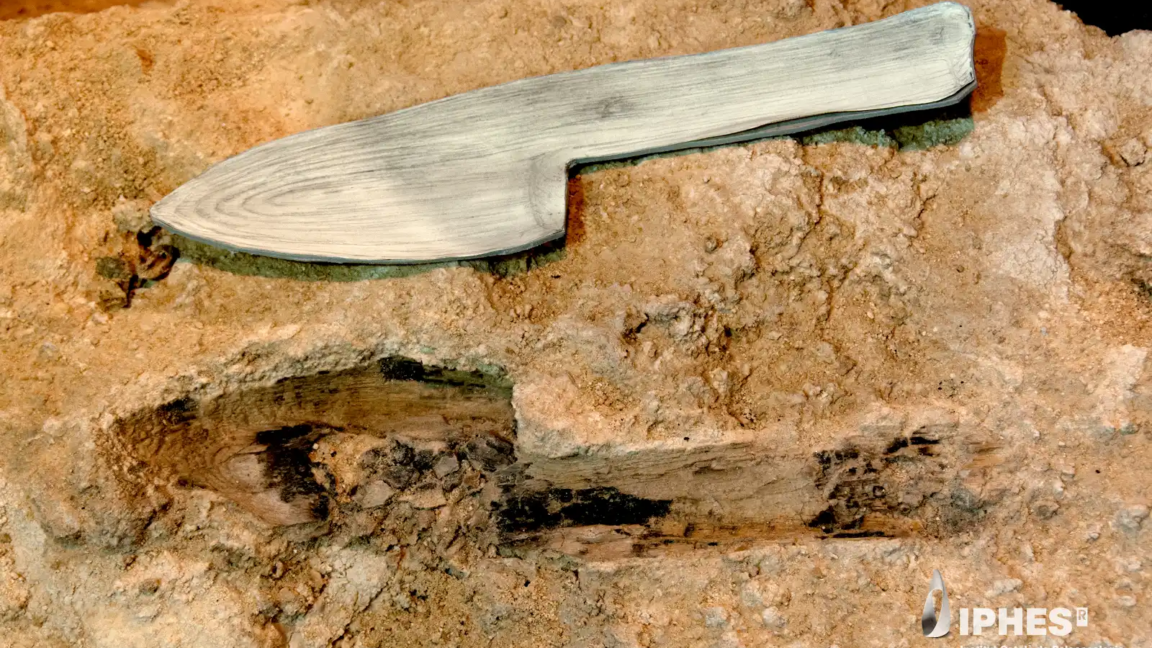
A recent study published in Science Advances has analyzed a collection of 597 wooden remains, ranging from 62,000 to 40,000 years ago, unearthed from Neanderthal habitats at Abric Romaní. This trove includes various artifacts such as:
- Spears
- Digging sticks
- Bark trays
- Components from shelters
- A distinctive club, unique for its time
These findings suggest that Neanderthals were more advanced than previously thought, indicating they were not merely primitive counterparts to Homo sapiens.
Woodworking Evidence Beyond Hunting
While the oldest recorded wooden artifacts predominantly consist of hunting weapons—like spears from Schöningen in Germany and Clacton-on-Sea in England—the evidence from Abric Romaní diverges from this narrative. Unlike other finds that typically emerge from locations connected exclusively to hunting, Abric Romaní served as a multifunctional living space for Neanderthals, offering a snapshot of their daily routines over a span of 20,000 years.
M. Gema Chacón, an archaeologist at the Catalan Institute of Human Paleoecology and Social Evolution (IPHES-CERCA) and co-author of the study, notes, “We have a sample of wooden tools for different subsistence activities, not only hunting.” This observation reinforces the notion that crafting with wood was an integral part of Neanderthal life, suggesting a habitual, rather than incidental, approach to woodworking.
Conclusion
The discoveries at Abric Romaní are pivotal in revising our understanding of Neanderthal capabilities. The range of artifacts found indicates a diverse skill set that included not only hunting but also various subsistence practices. As research continues, it becomes increasingly clear that Neanderthals were complex individuals with advanced crafting skills that went beyond simple tool-making.
For further reading about these fascinating discoveries, visit this source.
