


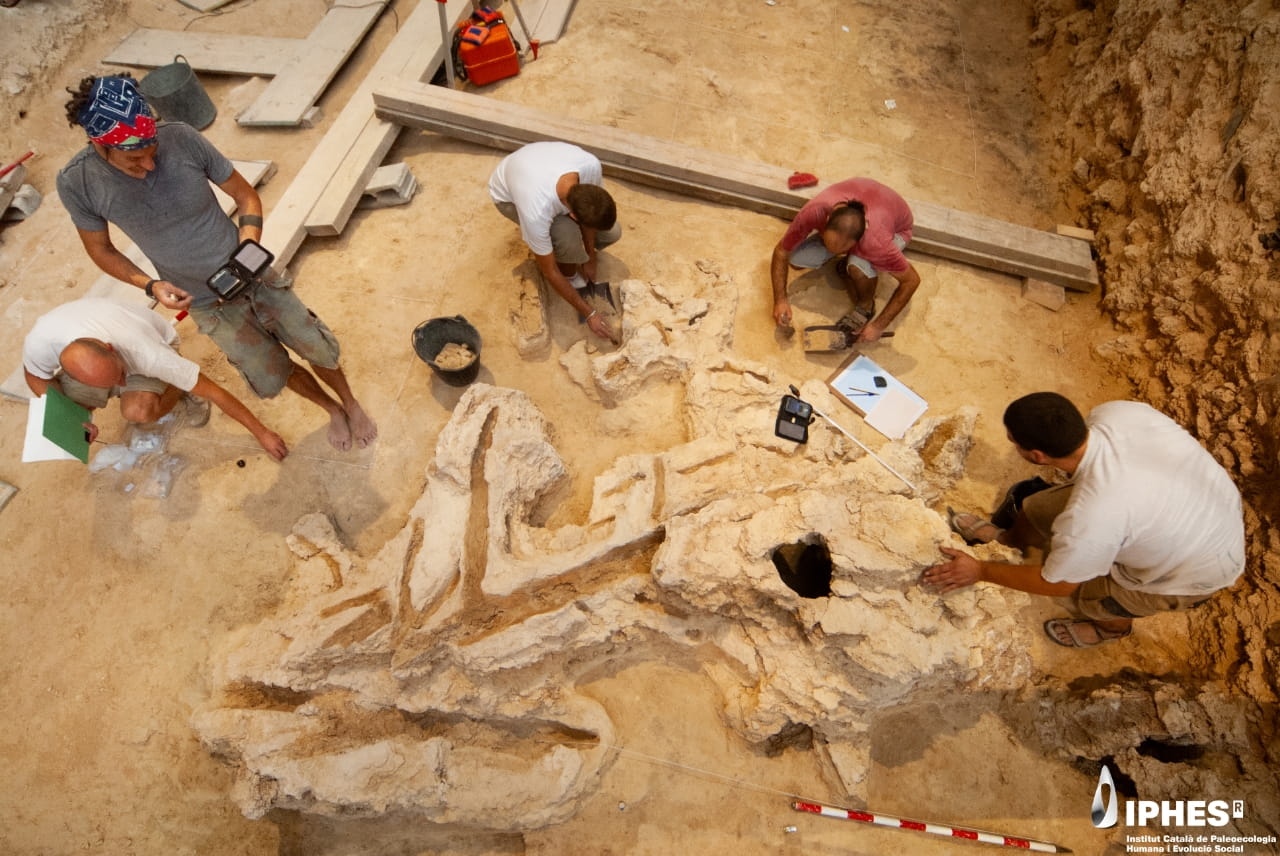
Neanderthal Woodworking: Insights from Abric Romaní
Recent research conducted at Abric Romaní, an archaeological site near Barcelona, has shed new light on the advanced woodworking skills of Neanderthals. This comprehensive study analyzed a collection of 597 wooden artifacts and impressions dating from approximately 62,000 to 40,000 years ago, demonstrating that Neanderthals employed wood for crafting a variety of items far beyond mere fuel.
    <h2>Significant Findings from Abric Romaní</h2>
    <p>The foundational work was spearheaded by <strong>Dr. Palmira Saladié</strong> from IPHES-CERCA and Universitat Rovira i Virgili, marking the first extensive examination of wooden remains excavated over four decades. Previously, Neanderthal technology was primarily illustrated by stone tools, but this study highlights the prominent role of wooden artifacts in their daily lives.</p>

    <h2>Long-Term Wood Usage</h2>
    <p>Unlike other European archaeological sites, the findings at Abric Romaní reveal a continuous utilization of wood over thousands of years. This suggests a sustained and integral relationship with this resource as opposed to sporadic use. The data indicates that wood was consistently incorporated into their activities, enriching the understanding of their material culture.</p>

    <h2>Preservation of Wooden Artifacts</h2>
    <p>Remarkably, the wood artifacts have survived largely due to the accumulation of calcium carbonate, which formed natural molds in the travertine rock after the organic material decayed. These molds maintain an impressive level of detail, preserving even the internal structures of the wood.</p>

    <h2>Varied Applications of Wood</h2>
    <p>The research identified various types of wooden remains, including branches, twigs, and firewood. Among the 13 notable artifacts were:</p>
    <ul>
        <li>**Two wooden spears**—one measuring 2.45 meters, designed for close-range use, and another at 1.99 meters with evidence of intentional shaping.</li>
        <li>A **potential mace-like tool**, carved from single timber, showcasing evidence of purposefully applied tool marks.</li>
        <li>**Bark containers** or trays that may have served multiple domestic uses.</li>
        <li>**Crossed poles** that likely formed components of raised platforms for food preparation.</li>
        <li>A straight timber piece, extending 5.10 meters, which could suggest structural significance.</li>
    </ul>

    <h2>Insights into Neanderthal Life</h2>
    <p>These findings not only indicate advanced technological capabilities but also provide insights into the living conditions and daily activities of Neanderthals. The site, which includes remnants of hearths and animal bones, offers a comprehensive view of how they managed their resources and organized their living spaces.</p>

    <h2>Ongoing Research and Contributions</h2>
    <p>The research at Abric Romaní continues to reveal the multifaceted nature of Neanderthal technology. “Neanderthal technology extended far beyond stone,” stated <strong>Josep Vallverdú</strong> of IPHES-CERCA, reinforcing the notion that these ancient humans possessed a more sophisticated understanding of available materials than previously thought.</p>

    <p>This study, published in <em>Science Advances</em>, stands as a pivotal contribution to the understanding of Neanderthal life and technology, representing an era in which wood played a crucial and versatile role.</p>

    <footer>
        <p>For further reading, refer to: <a href="https://doi.org/10.1126/sciadv.aeh2287">Saladié, P. et al. (2026). Neanderthal woodworking at Abric Romaní: Insights into the role of wood in a Middle Palaeolithic domestic context. Science Advances, 12(41).</a></p>
    </footer>
</article>