


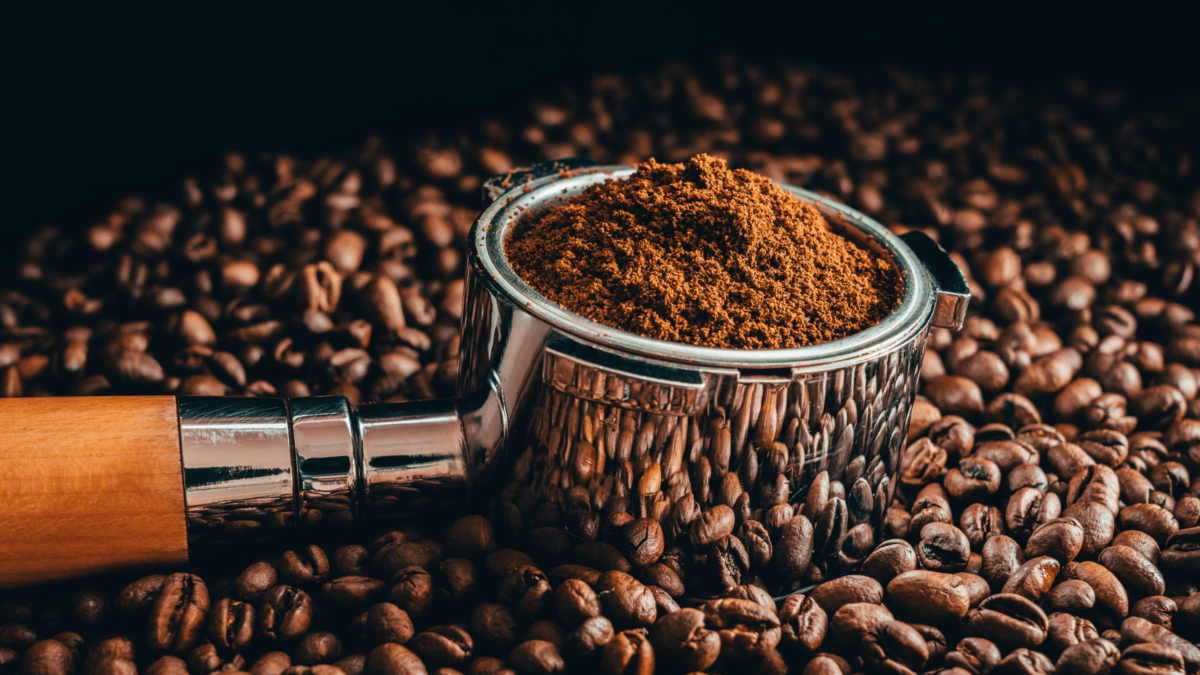
Turning Waste Into Strength: Coffee Grounds Enhance Concrete Strength
Innovation with Coffee Waste
Recent studies by researchers at RMIT University in Australia have revealed a promising use for coffee grounds: enhancing the strength of concrete by up to 30 percent. This innovative approach not only improves building materials but also addresses environmental issues associated with organic waste disposal.
A Global Challenge
Approximately 10 billion kilograms (22 billion pounds) of coffee waste are produced globally each year, with a significant portion ending up in landfills. This disposal contributes to greenhouse gas emissions, such as methane and carbon dioxide, which are key drivers of climate change, as noted by engineer Rajeev Roychand from RMIT University.
Simultaneously, the construction industry’s increasing demand for concrete presents additional environmental challenges, primarily due to the unsustainable extraction of natural sand for concrete production.
A Circular Economy Solution
Jie Li, another engineer at RMIT, explained that the extraction of sand has significant ecological impacts and that a circular economy approach could mitigate these issues. By utilizing organic waste like coffee grounds in concrete production, we can reduce landfill waste while conserving vital resources.
The Science Behind the Strength
Traditionally, adding organic materials like coffee grounds directly to concrete is problematic due to their tendency to leach chemicals that compromise structural integrity. However, the research team employed a method called pyrolysis, which involves heating coffee waste to over 350 °C (approximately 660 °F) in an oxygen-free environment. This process produces biochar, a porous, carbon-rich material that can bond with the cement matrix, thus enhancing the concrete’s strength.
Interestingly, higher pyrolysis temperatures (such as 500 °C) yielded less effective biochar; thus, the research emphasizes the importance of precise thermal treatment.
Future of Coffee-Based Concrete
The researchers are currently evaluating the long-term durability of this innovative hybrid cement under various conditions, including freeze/thaw cycles and abrasion. Additionally, they aim to explore biochars derived from other organic materials, such as agricultural waste, to further enhance sustainability.
Shannon Kilmartin-Lynch, another engineer involved in the project, highlights the objective of reducing organic waste in landfills while ensuring sustainable material use aligned with Indigenous perspectives on environmental stewardship.
Real-World Applications
In a groundbreaking initiative, RMIT, in collaboration with the Macedon Ranges Shire Council, has implemented a pioneering real-world trial. A footpath constructed in Gisborne, Victoria, features coffee biochar concrete along with sections made from traditional materials, showcasing practical applications of this research. Following this, a major infrastructure project, the Pakenham Roads Upgrade, utilized the coffee-biochar concrete, which diverted approximately 140,000 coffees’ worth of grounds from landfills and conserved over 3 metric tons of sand.
Acknowledgment and Recognition
Early in 2025, the RMIT research team was awarded the People’s Choice Problem Solver Award at the Universities Australia Shaping Australia Awards, underscoring their innovative contributions to sustainability. They are also working with commercialization partners to develop these materials for broader market application.
