


Cephalopods: The Masters of RNA Editing and Biological Adaptability
Cephalopods, including squids, octopuses, and cuttlefish, offer astonishing insights into biological adaptation, often likened to alien intelligences due to their unique evolutionary paths. Despite their distinctive biology, cephalopods participate in a fundamental process common across species—constant modification through RNA editing.
Understanding RNA Editing: The Mechanism Behind Adaptability
The process of RNA editing involves the modification of RNA sequences, allowing organisms to adapt without altering their underlying DNA. This is akin to adjusting a recipe on the fly—substituting ingredients to enhance the dish without changing the original recipe itself. Specifically, cephalopods excel in this ability through a mechanism known as ‘adenosine deaminase acting on RNA’ (ADAR) editing, leading to significant variations in protein production.
Recent Research Findings
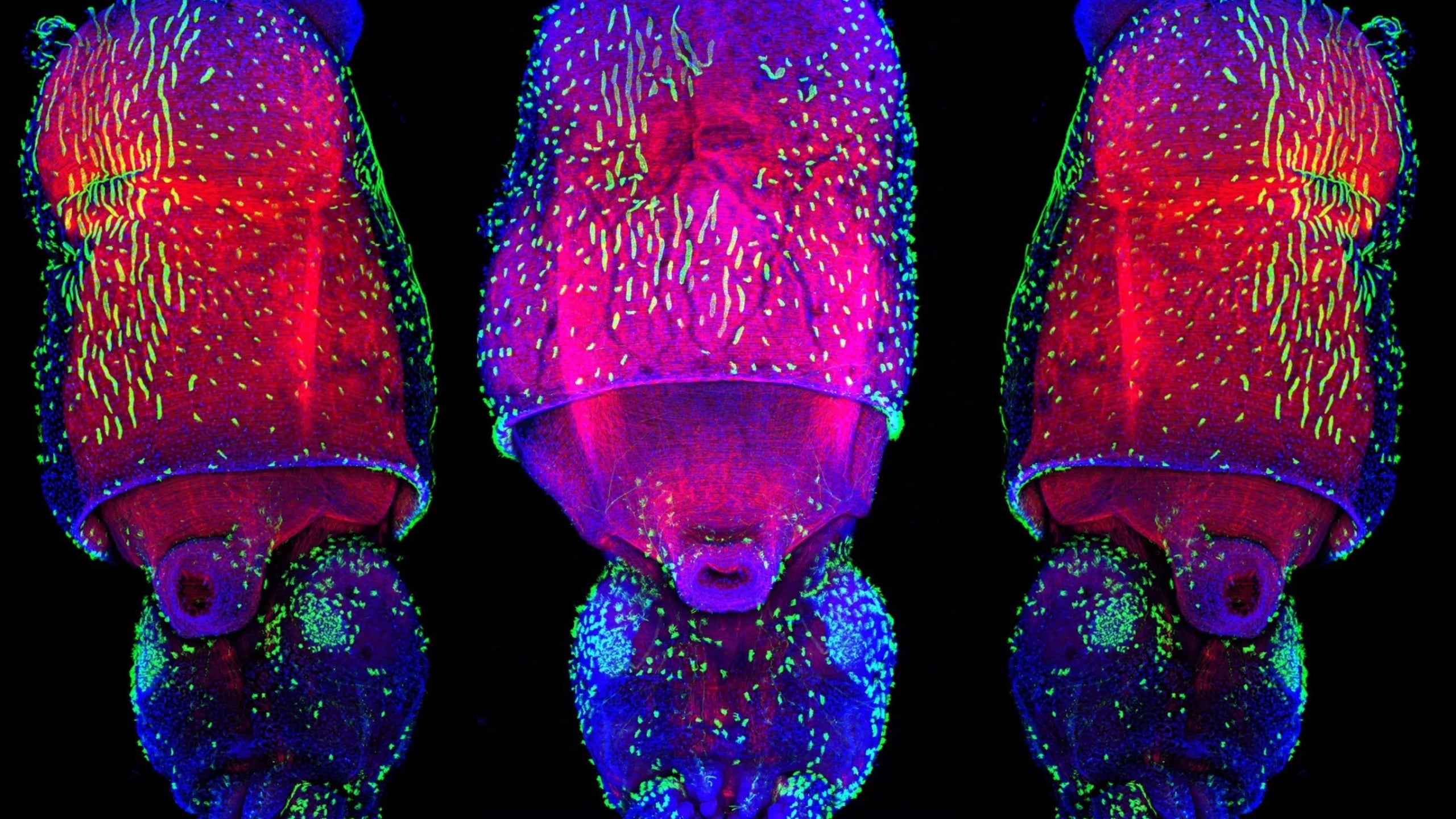
A groundbreaking study published in the journal Cell, led by bioscientists from the University of California, San Francisco (UCSF), focused on the longfin inshore squid (Doryteuthis pealeii). Researchers examined approximately 24,000 proteins in the squid to explore how RNA editing affects biological functions.
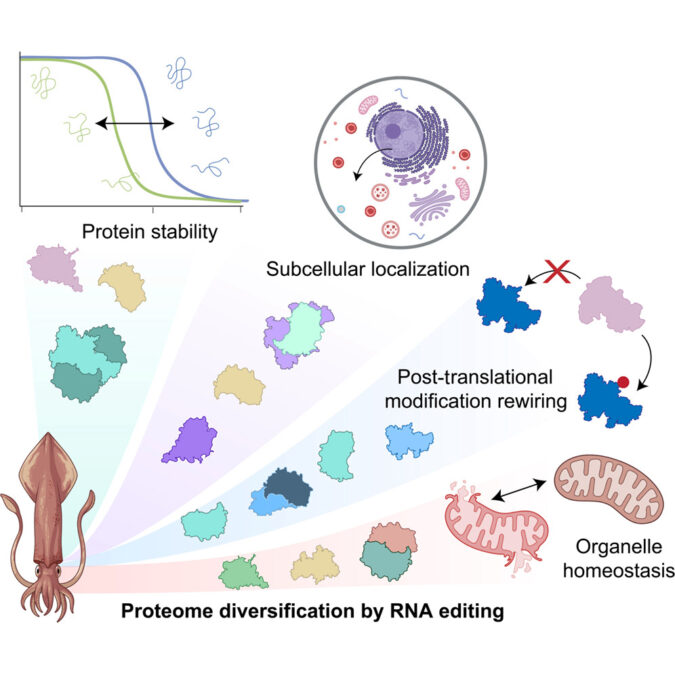
Researchers were surprised by the extensive effects of RNA edits on protein behavior, activity, and interaction networks. These edits not only affect the stability and location of proteins but also play a crucial role in maintaining organelle health. As noted by Jack Moen, the first author of the study: “By editing the RNA instructions used to make proteins, these animals can generate proteins with different properties, all without changing their DNA.”
The Role of Environmental Adaptation
This remarkable adaptability might stem from cephalopods’ responses to environmental challenges, such as temperature changes. The research identified nearly 8,000 editing sites among more than 2,000 proteins concentrated in the squid’s optic lobe and gills, revealing a notable difference in RNA-editing activity between these complex and simpler tissues.
The optic lobe, crucial for visual processing, showed a high frequency of intricate editing activities, reflecting the sophisticated neurological systems of cephalopods.
Implications of RNA Edits on Protein Diversity
Significantly, the RNA editing observed occurs in protein-coding sequences rather than non-coding regions, allowing for the potential creation of entirely new proteins. Moen highlighted their discovery of 5,000 unique proteins that were not cataloged in established databases, expanding our understanding of genetic diversity within cephalopods.
This editing not only alters individual proteins but can also reposition them within the cell, changing how organelles function. For instance, squid mitochondria show characteristics similar to human mitochondria, suggesting enhanced stability and efficiency. Additionally, modifications in the creatine system could provide the squids with rapid energy for swift movements or complex cognitive processes.
Conclusion: The Unmatched Genetic Flexibility of Cephalopods
Overall, the findings indicate that cephalopods possess a level of genetic flexibility unparalleled in the animal kingdom. The unique structures of their ADAR enzymes contribute significantly to their extraordinary capacity for adaptation. As speculated by Moen, this reveals an immense potential for biological variation—estimated at a staggering 10²⁴⁸ combinations—far exceeding the number of atoms in the universe.
Such a dual nature between potential diversity and actual expression poses intriguing questions about the limits of evolution and adaptation in complex organisms.
