


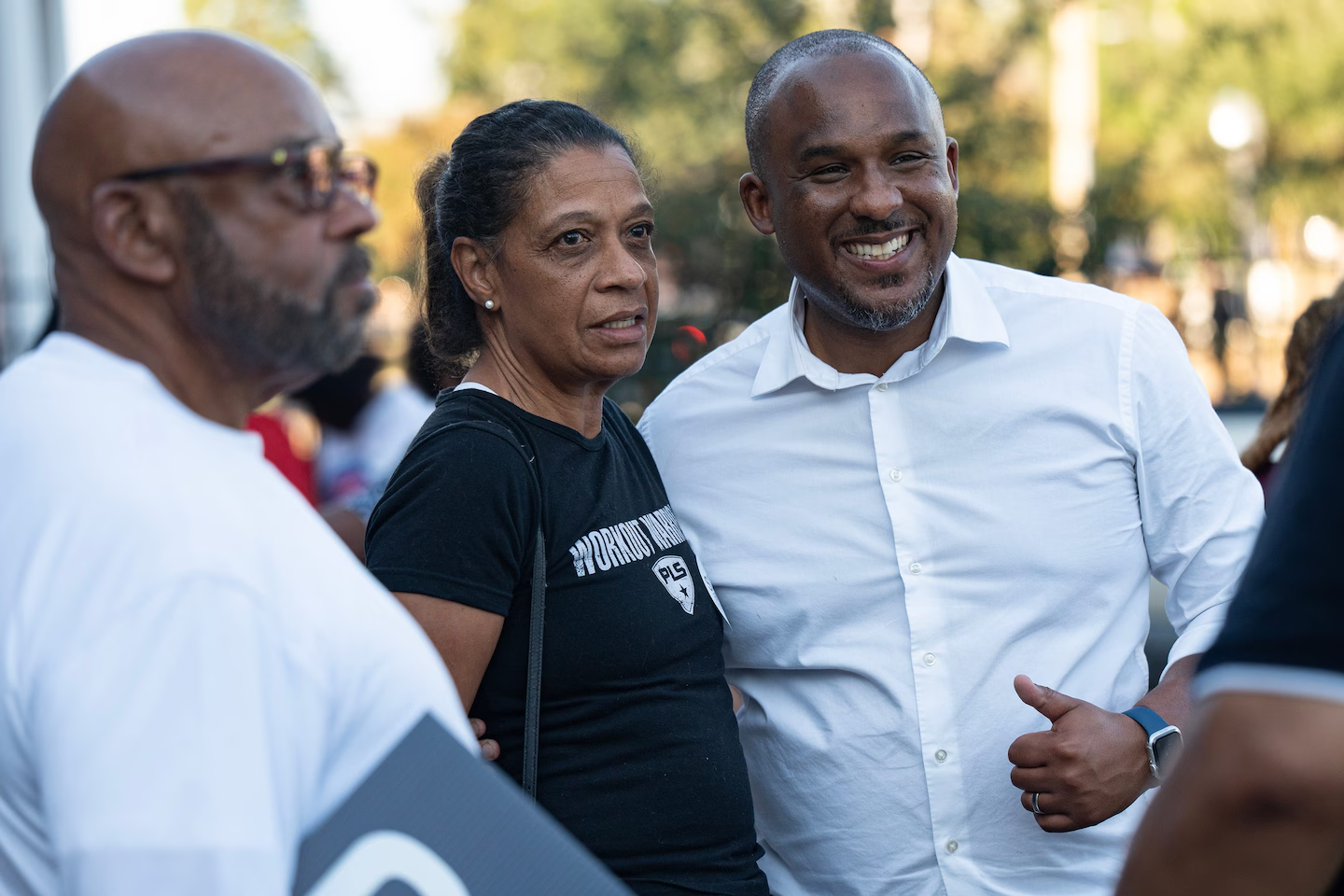
Scott Colom’s Senate Bid: A Turning Point for Mississippi
The political landscape in Mississippi is experiencing a notable shift as Scott Colom, a Democratic candidate, positions himself for a potentially historic Senate run. If successful, Colom would become the first Black senator elected from Mississippi since Reconstruction.
Colom’s Background and Vision
Colom, who serves as a district attorney, has built a reputation for his progressive stance on various issues. His campaign focuses on addressing systemic challenges faced by the state’s residents, arguing for policies that prioritize economic development and equity.
Trump’s Policies Under Scrutiny
In recent statements, Colom criticized former President Donald Trump’s “Mississippi Last” approach, suggesting that it could negatively impact the state’s voters. Colom believes that the prioritization of national interests over local needs has contributed to stagnation in Mississippi’s growth.
The Political Environment
Political analysts are beginning to recognize Mississippi as a potentially competitive battleground in the upcoming Senate race. Recent commentary from figures such as Congressman Bennie Thompson highlights concerns among Democrats regarding the party’s strategies and timing in the state.
- Thompson has expressed that Democratic efforts may be arriving too late.
- Republican strategists are becoming increasingly cautious, indicating that the state could be more competitive than previously thought.
Historic Potential
As the race develops, the possibility of electing Colom would mark a significant milestone in Mississippi’s political history. It reflects broader trends across the United States where diverse candidates are gaining traction in traditionally conservative areas.
Conclusion
Scott Colom’s campaign not only represents a personal aspiration but also signifies a potential turning point for demographic representation in Mississippi politics. As the election approaches, observers will be watching closely to see whether Colom can mobilize enough support to challenge longstanding political norms in the state.
