


FAA Investigates Nationwide Flight Ground Stop
Date: Saturday, [Insert Date]
Overview of the Incident
The Federal Aviation Administration (FAA) initiated a nationwide ground stop for flights due to an equipment malfunction, marking its first such action since January 2023. This grounding has caused significant disruptions, impacting approximately 25% of the 45,000 daily flights in the United States.
Cause of the Ground Stop
Transportation Secretary Sean Duffy stated that the investigation is focused on possible “incompetence” by contractors or a fault within the equipment itself. “Our contractor didn’t meet the moment or the equipment didn’t meet the moment,” Duffy explained.
L3Harris, the contractor involved, is cooperating with the FAA to determine the circumstances leading to the ground stop and emphasized their commitment to understanding the impact on air travel.
Impact on Travelers
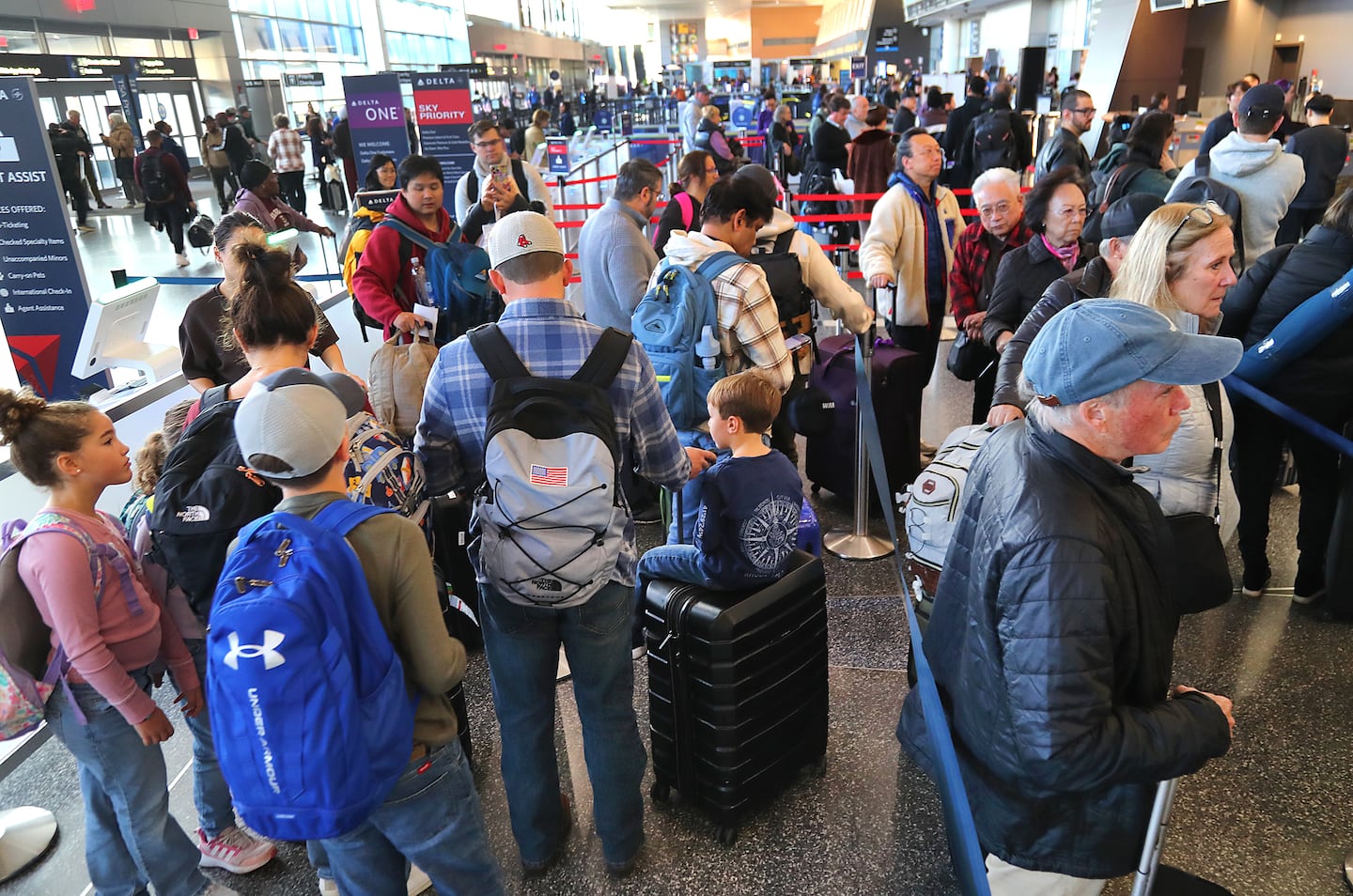
Travelers faced a chaotic situation at airports across the country, with many scrambling for alternative transportation, including booking rental cars and trains. Video footage showed passengers engaging in various activities, ranging from impromptu music performances to cornhole tournaments to alleviate stress in the airports.
FlightAware reported over 6,000 flight cancellations on the affected Saturday, leaving many passengers stranded or in search of quick solutions. One traveler noted the helplessness of the situation: “There’s nothing you can do,” he stated after learning about his canceled flight.
Safety Assured, Officials Confirm
During the halt, Duffy reassured the public that no one was in danger, as over 3,000 flights in the air managed to land safely amid the disruptions.
However, the incident has sparked discussions about the outdated technology in use. Duffy noted that while 70% of the air traffic management system has been updated, additional funding and modernization efforts are essential for maintaining safety in air travel.
Challenges of Infrastructure Updates
Aviation consultant Andrew Charlton compared the situation to changing a car’s tires while driving at high speed, emphasizing the difficulties in modernizing an operational system. “Nothing stops in aviation,” Charlton elaborated, highlighting the ongoing need for effective upgrades without halting flights.
Past incidents, including a regional disruption caused by a construction crew damaging critical infrastructure, highlight the ongoing challenges of maintaining equipment reliability in air traffic control.
Looking Forward
With Congress previously approving $12.5 billion for system upgrades following a series of incidents, Duffy and other officials are advocating for an additional $30 billion to ensure the modernization of air traffic management systems across the country.
