


Voter Concerns Over Corruption Rise Ahead of Midterms

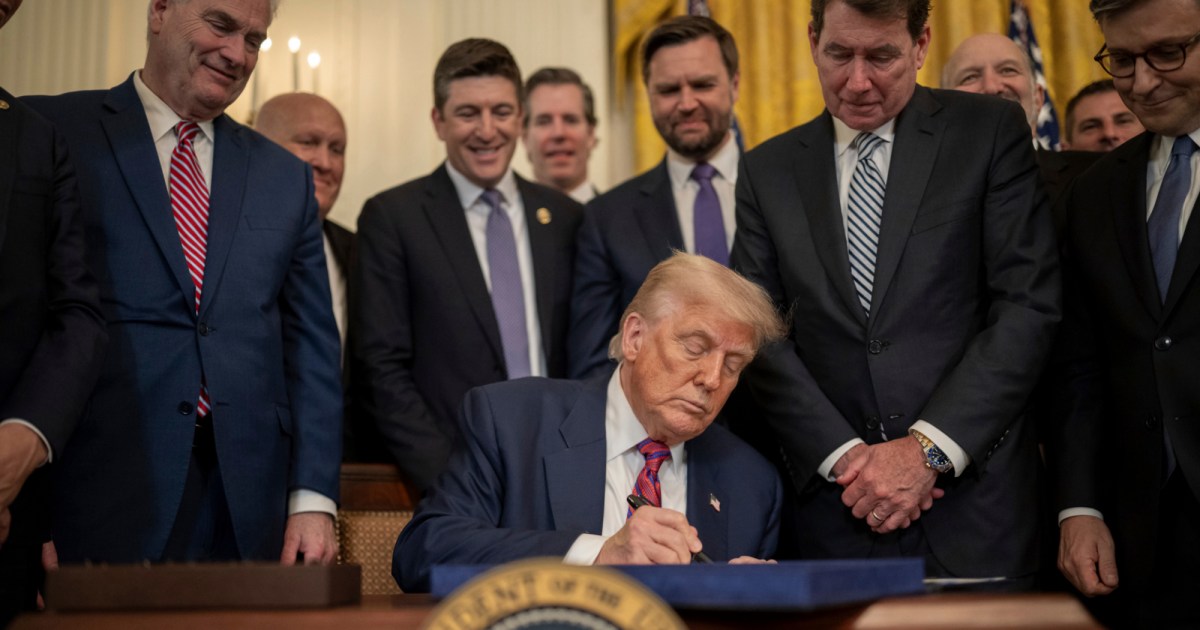
President Donald Trump signs The GENIUS Act, establishing regulations for cryptocurrency stablecoins, on July 18, 2025.
Daniel Torok/The White House/Zuma
Public Sentiment on Corruption
A recent national survey conducted by the Financial Times in collaboration with Focaldata has brought to light growing voter unease regarding potential corruption in the current administration. The poll indicates that approximately 69% of over 1,600 registered voters expressed significant concern about “corruption, self-dealing, or conflicts of interest,” particularly in reference to President Trump’s ongoing term. Notably, nearly half of Trump voters from 2024 reported that their worries about corruption have intensified compared to prior administrations.
Impact on Everyday Lives
Columbia Business School professor Jeremy Ney commented on the implications of these findings, stating, “When a family reads a story about presidential crypto profits at the same time as they are deciding whether they should put off their expensive doctor’s appointment, they see that the system is working for someone—just not for them.” This underscores a perception that economic policies may favor a select few over broader community needs.
Financial Insights from Trump
Financial disclosures from the Trump administration revealed that the president generated over $1.4 billion through various cryptocurrency-related business ventures. This portfolio includes earnings from the $TRUMP meme coin and World Liberty Financial, a crypto firm co-founded by Trump and his sons. These dealings have sparked scrutiny and added to public apprehension regarding conflicts of interest.
The Role of Campaign Advertising
The rising concern over corruption is being reflected in campaign strategies as well. An analysis by the Washington Post highlighted that ads focused on corruption and ethics reform amounted to substantial spending in the current election cycle—totaling $493 million across political parties. This figure includes $306 million spent by Democrats and $187 million by Republicans, indicating that addressing these issues is seen as crucial by candidates.
Potential Electoral Consequences
As voters head to the polls, the issue of corruption is anticipated to play a pivotal role in influencing election outcomes. To secure a simple majority, Democratic candidates would need to flip four seats each in both the U.S. House and Senate—underscoring the potential impact of these concerns on upcoming races.
