


The UK’s Evolving China Strategy: Navigating Risks and Opportunities
The Call for a Coherent Policy
A recent report by the Commons business, innovation, science and trade select committee has highlighted that the United Kingdom is formulating its policy on China without a clear strategic framework. This approach, according to the findings, places the UK at risk of having its foreign policy shaped by external powers like Washington and Beijing.
Parliamentary Concerns
Liam Byrne, the Labour MP who chairs the committee, expressed concern that the absence of a consistent strategy, particularly since 2024, has led to missed opportunities for British businesses. He indicated that the current policy could jeopardize the UK’s economic engagements with the EU, potentially cutting British firms off from significant manufacturing contracts.
Risks and Challenges
The report articulated that the government has been unable to provide British businesses with both commercial opportunities and a way to manage risks associated with their dealings with China. The absence of a long-term plan has created uncertainty in the commercial landscape.
“In 2024, the new government promised a strategic, long-term, consistent UK approach to China. It has not delivered on this,”
Missed Engagement Opportunities
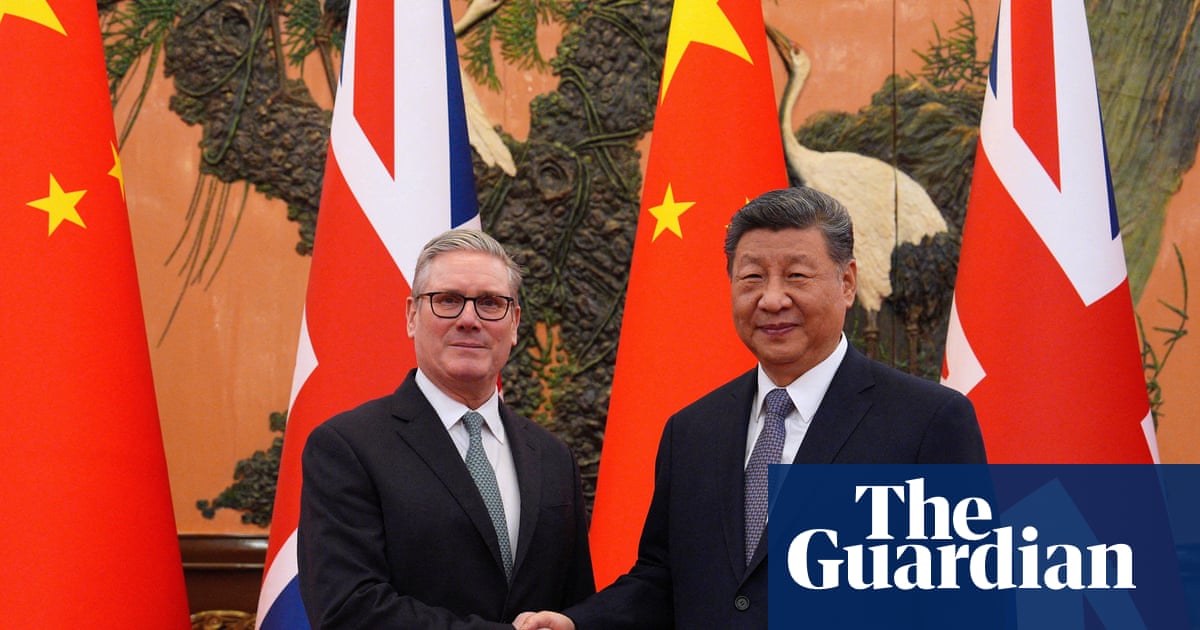
The UK’s historically distant relationship with China has evolved, yet significant engagement has remained absent for nearly a decade. Notably, Keir Starmer’s visit in January was the first of its kind since Theresa May’s trip in 2018. This recent visit aimed to thaw what was termed a “diplomatic ice age,” during which China has notably expanded its export market, intensifying concerns over deindustrialisation and issues related to national security, including cyber espionage.
Economic Considerations
Despite the complexities of the relationship, the committee acknowledged the value of continued trade with China. British businesses have been successful there and are eager to expand further, leveraging China’s innovations. Additionally, consumers benefit from affordable imports, particularly in sectors like electric vehicles, which are crucial during times of tightening household budgets.
A Call for Strategic Clarity
Byrne criticized the government’s reactive policy formation, stating that this lack of direction inhibits businesses from planning effectively for the future. He remarked that clarity and consistency, promised by ministers, have yet to materialize, leading to unmanaged risks and delayed decisions.
The report observed the recent government decision to block Ming Yang, a Chinese firm, from establishing a £1.5 billion wind farm in Scotland, underscoring these concerns about security without providing clear justification.
Recommendations for Future Policy
The committee’s report advocated for the creation of a structured approach to the UK-China relationship. It recommends defining specific sectors for investment from China, distinguishing between areas of significant risk and those more conducive to collaboration.
Byrne emphasized the urgency of developing a coherent strategy, especially as European nations are increasingly adjusting their stances towards China to mitigate risks and enhance trade protections.
Aligning with European Trade Policies
The UK is under pressure to align its trade policies with the EU, particularly concerning tariffs on electric vehicles. Business Secretary Jonathan Reynolds has committed to making decisions that best serve UK interests, as European partners adopt more stringent measures against Chinese imports.
Conclusion
The report concludes with a call for the UK to establish its position in the global market proactively or risk being left behind as China continues to expand its trade surplus and prioritize high-value exports. The future of UK-China relations hinges on the development of a robust and coherent strategy that protects British economic interests while navigating the complexities of international trade.
