Voyager 1 Milestone: One Light-Day from Earth
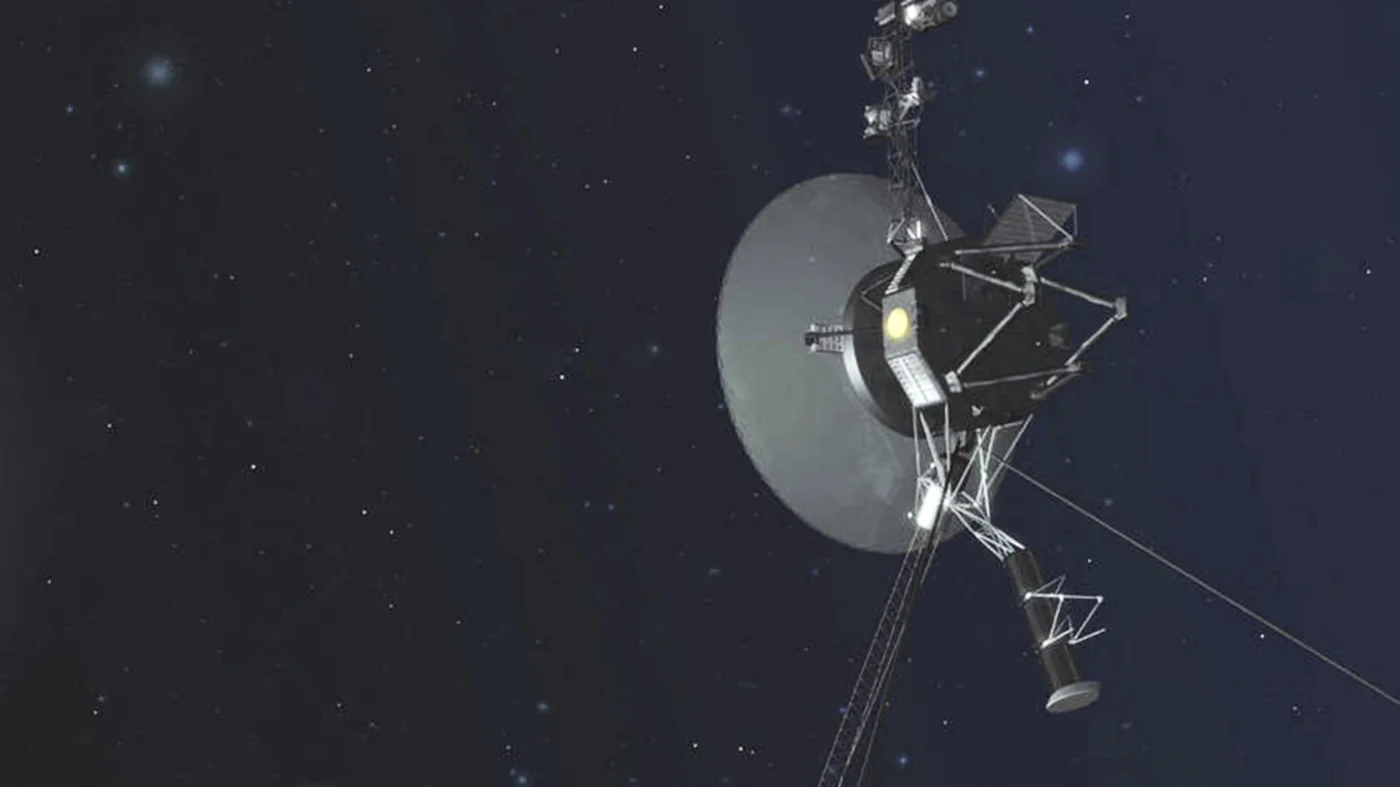
NASA’s Voyager 1, a pioneering spacecraft launched on September 5, 1977, is set to achieve an extraordinary milestone by reaching a distance of one light-day from Earth. This remarkable achievement, which translates to over 16 billion miles, will be celebrated on Wednesday.
Celebration of Achievement
In recognition of this historic moment, NASA is hosting an event called “Shine Bright for Voyager’s Light-Day.” On the night before the milestone, the agency invites the public to participate by sending the spacecraft’s call sign—V-G-R—into the sky using Morse code. Individuals can utilize flashlights or their mobile phone lights to convey the message:
- V: Three quick flashes followed by one long flash
- G: Two long flashes and one quick flash
- R: One quick flash, one long flash, and one quick flash
The Significance of One Light-Day
To clarify, a light-day refers to the distance that light travels in one day, which equals approximately 24 hours. The significance of this distance encapsulates humanity’s endeavors beyond our planet.
Voyager 1’s Journey
Voyager 1 has spent nearly 50 years exploring the solar system and beyond, completing flybys of pivotal celestial bodies such as Jupiter and Saturn. Notable accomplishments include the discovery of a faint ring system around Jupiter and detailed imaging of Saturn’s intricate rings and moons. In February 1998, Voyager 1 claimed the title of the most distant human-made object in existence after surpassing Pioneer 10.
Exploration Beyond the Heliopause
In 2012, Voyager 1 crossed the interstellar boundary, embarking on a mission to study the magnetic fields, particles, and plasma waves in the space between stars. As part of ongoing efforts to maximize its operational lifespan, NASA has recently turned off the Low-energy Charged Particles experiment (LECP) to conserve power. Despite this, two scientific instruments—one measuring magnetic fields and another detecting plasma waves—continue to function.
The Golden Record
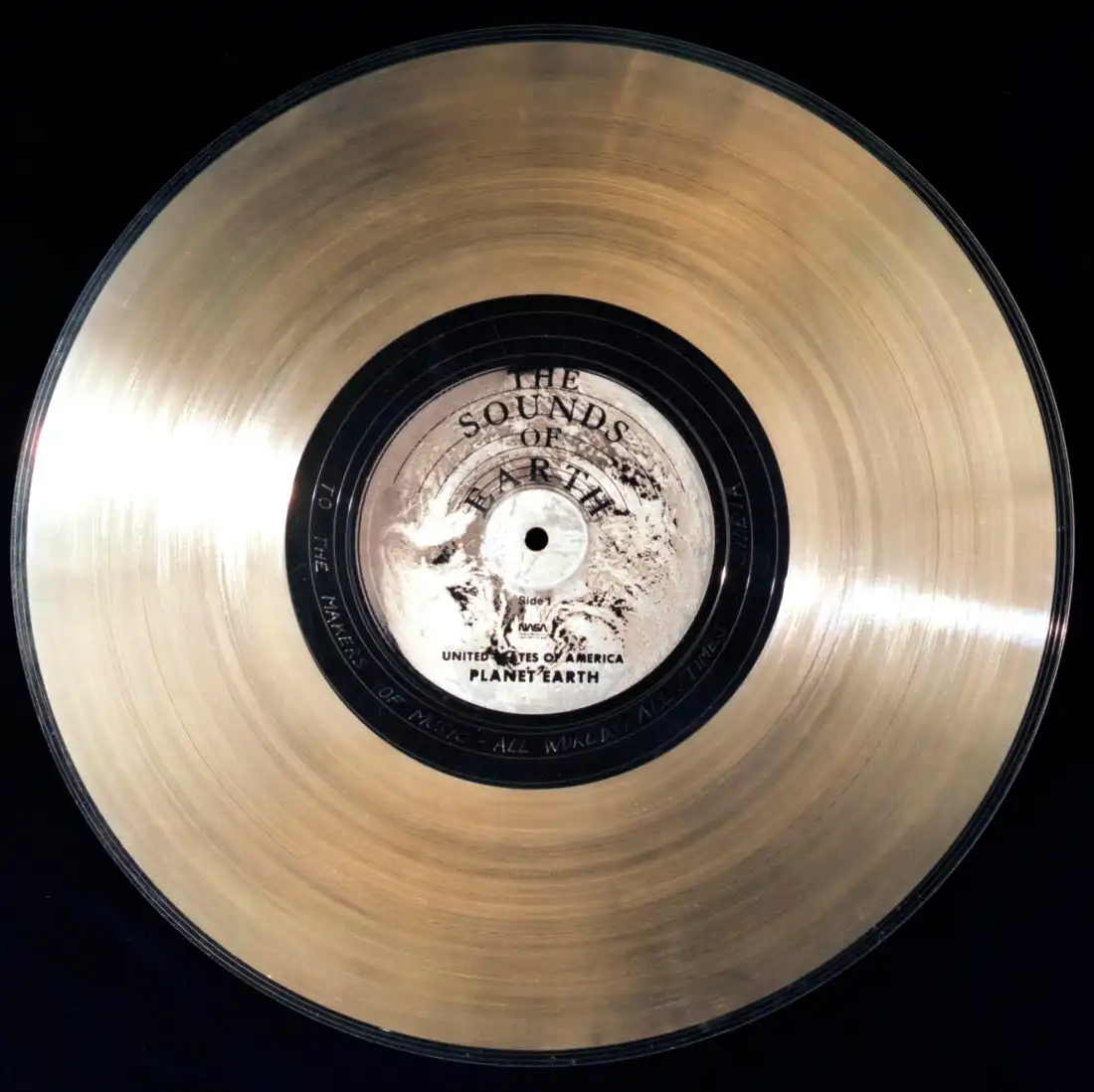
Voyager 1 is also home to a significant artifact: the Golden Record, an interstellar “time capsule” designed to communicate the essence of Earth to potential extraterrestrial life. The record comprises 115 images, natural sounds, and greetings in 35 languages, complete with symbolic instructions on how to access its contents.
Future Prospects
Voyager 1 is anticipated to mark its light-day status at 5:16 AM ET on Wednesday, after a remarkable journey lasting 49 years and several months. As it continues its journey through the cosmos, the spacecraft remains a symbol of human curiosity and innovation in space exploration.