Close Menu
Newsward
  • World
  • US
    • Politics
  • Tech
    • Science/Tech
  • Money
    • Business and Market Watch
    • Crypto
    • Career
  • Health
    • Fitness
  • State of Women
  • Opinion
  • Sports
    • NFL
    • MLB

Subscribe to Updates

Get the latest creative news from FooBar about art, design and business.

What's Hot

Childhood toxin ‘leading explanation’ for young colon cancer spike

November 19, 2026

Strategy Just Got Dropped From MSCI’s Indexes. Can It Keep Buying Bitcoin?

November 19, 2026

Google gives Gemini the ability to use your Mac for you

November 19, 2026
Newsward
  • World
  • US
    • Politics
  • Tech
    • Science/Tech
  • Money
    • Business and Market Watch
    • Crypto
    • Career
  • Health
    • Fitness
  • State of Women
  • Opinion
  • Sports
    • NFL
    • MLB
Subscribe
Newsward
Home » We May Have Been Wrong About Fasting Before Blood Tests, Study Reveals : ScienceAlert
World

We May Have Been Wrong About Fasting Before Blood Tests, Study Reveals : ScienceAlert

Newsward™By Newsward™October 4, 2026No Comments3 Mins Read
Facebook Twitter Pinterest LinkedIn Tumblr WhatsApp VKontakte Email
We May Have Been Wrong About Fasting Before Blood Tests,
Share
Facebook Twitter LinkedIn Pinterest Email

Rethinking Fasting Requirements Before Blood Tests

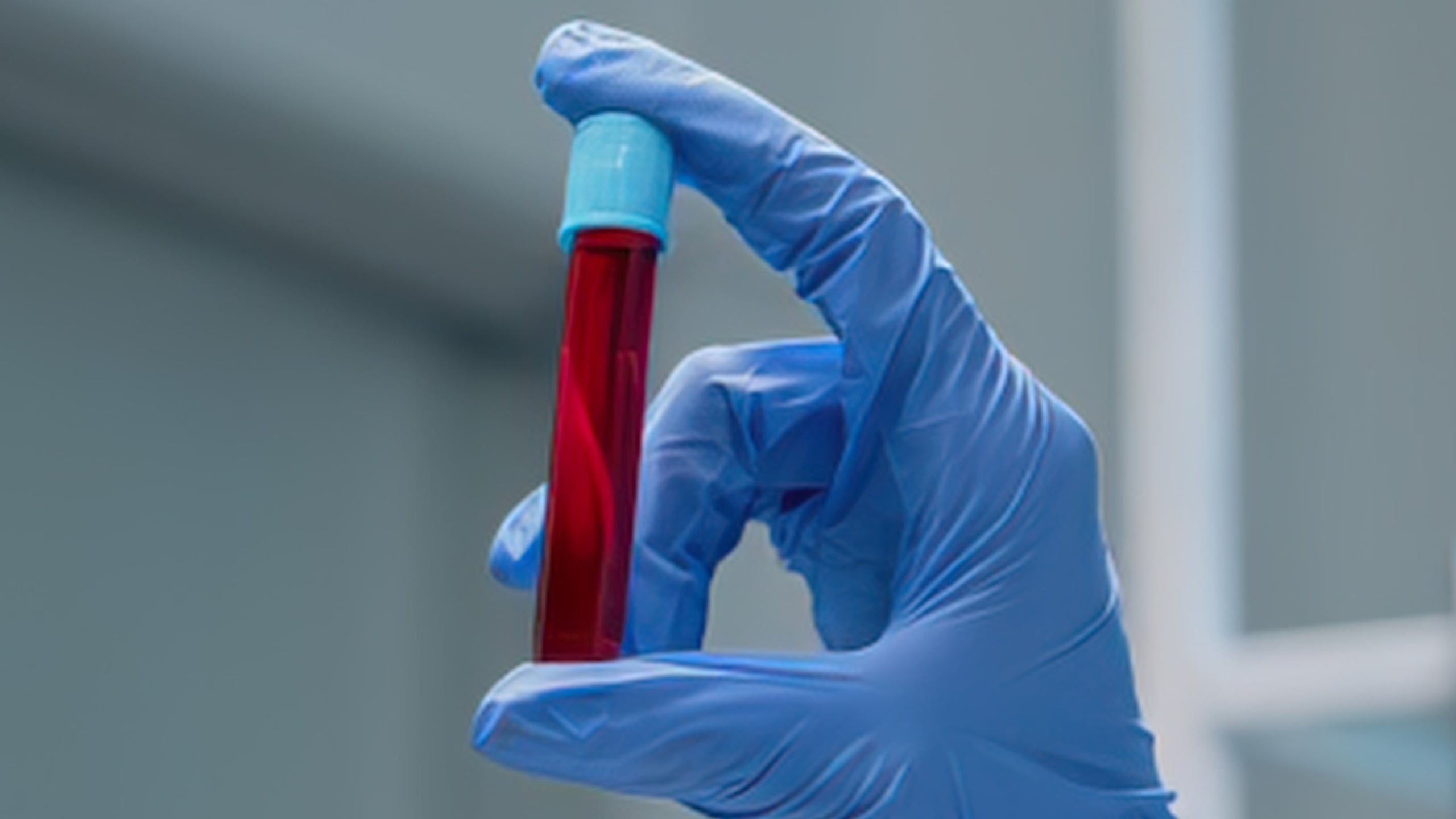
Fasting has long been a standard protocol for patients undergoing various laboratory blood tests, with recommendations typically advising individuals to abstain from eating or drinking—apart from water—for a period of 8 to 12 hours prior to testing. A recent study challenges this well-established practice, indicating that such strict fasting guidelines may not be essential for a wide array of blood tests.

Key Findings from Recent Research

The comprehensive analysis conducted by a team at the University of Ulsan’s Asan Medical Center suggests that the fasting requirement for most routine blood tests could be reconsidered. The researchers found that for a substantial number of tests, patients may not need to adhere to the traditional fasting protocols without significantly affecting the test results.

According to the study, “Our comprehensive analysis suggests that most routine blood tests are minimally affected by short-term fasting, and fasting beyond 12 hours was not associated with meaningful additional differences for any test examined.” This observation calls for a more nuanced, analyte-specific approach rather than a one-size-fits-all fasting requirement.

Background of Fasting Guidelines

The origins of the fasting requirement stem from concerns about how dietary intake might impact the accuracy of lab results, particularly regarding measurements that influence critical medical decisions. While certain tests, especially for lipids and glucose, are indeed sensitive to food intake, the general practice of advising fasting for all blood work lacks uniformity and has not been comprehensively backed by clinical evidence across diverse testing parameters.

Current literature suggests inconsistencies, as many protocols are derived primarily from studies on lipid testing, leaving gaps in knowledge pertaining to tests that assess liver enzymes, hormones, vitamins, and hematologic indices, among others.

Study Overview

Led by physician Sunghwan Shin, the study analyzed lab data from over 101,000 adult outpatients between 2021 and 2023, focusing on those with specifically documented fasting durations categorized as less than eight hours, between eight and twelve hours, or exceeding twelve hours. The researchers reviewed more than 9.7 million test results to examine the variability connected to fasting times against established analytical performance specifications (APS).

Results and Implications

The findings indicated a correlation between fasting duration and significant differences only in 10 out of 121 analyzed tests, suggesting that extended fasting may not be necessary for most blood tests. These tests included those measuring glucose, triglycerides, and several enzyme levels, which were notably higher in patients who fasted for less than eight hours.

In light of these insights, the authors state that “these findings support analyte-specific rather than uniform fasting requirements,” emphasizing that redesigning fasting guidelines could alleviate unnecessary burdens placed on patients.

Comments from Experts

The clinical biochemist Liv Tybjærg Nordestgaard of Copenhagen University Hospital remarked on the importance of the study, stating it “provides strong support for accumulating evidence that fasting blood sampling is not necessary.”

The research has been formally published in JAMA Internal Medicine, highlighting its significance in influencing future clinical guidelines regarding fasting requirements before laboratory tests.

This article was fact-checked by Rebecca Dyer and edited by Rebecca Dyer. We strive for accuracy; if you spot any errors, please inform us.

Blood Fasting Reveals ScienceAlert Study Tests Wrong
Share. Facebook Twitter Pinterest LinkedIn Tumblr WhatsApp Email
Previous ArticleiPhone 18 Pro Max vs Samsung Galaxy S26 Ultra: which should you choose?
Next Article Women’s Soccer Earns First Ivy League Point in 2-2 Draw with Brown
Newsward™
Newsward™

Related Posts

White House pool have phones taken away on return from China as speculation mounts over unscheduled stop

November 19, 2026

Designers’ notes: Night Goblin Blood Bowl team

November 19, 2026

Inca Children Were Given Cocaine and Ayahuasca Before Being Sacrificed – The New York Times

November 19, 2026

Trump, Xi and Putin sit down for a rare three-way meeting in China

November 19, 2026

Top Articles

GTA 6 Leak: Cyberleek’s 24-Min Lucia Video [2026]

October 12, 2026

How Novig became the third biggest prediction market site despite launching only months ago

November 14, 2026

How does Iran view shift in US approach after JD Vance ordered away? | US-Israel war on Iran News

November 14, 2026

‘A tremendous step backwards’: US could lose measles elimination status under RFK Jr’s leadership | US news

November 11, 2026

Don't Miss

Health/Wellness

Childhood toxin ‘leading explanation’ for young colon cancer spike

By Kabil BendressNovember 19, 20260

Rising Colorectal Cancer Rates: Uncovering the Early Exposure Link Recent research has highlighted a troubling…

Strategy Just Got Dropped From MSCI’s Indexes. Can It Keep Buying Bitcoin?

November 19, 2026

Google gives Gemini the ability to use your Mac for you

November 19, 2026

US zoo staff monitor Fiona the hippo’s rear end for signs of hat she ate | Ohio

November 19, 2026

Subscribe to Updates

Subscribe to our newsletter and stay updated with the latest news and exclusive offers.

About Us
About Us

NEWSWARD is an independent news and media company covering the economy, politics, international affairs, and a changing world. Through articles, podcasts, video, and candid conversations, we connect major events to their impact on your life, your livelihood, and your future.

Our purpose is simple: help you understand what matters, think critically, and make informed decisions.

See what’s happening now. Know what’s next.

Don't Miss

Childhood toxin ‘leading explanation’ for young colon cancer spike

November 19, 2026

Strategy Just Got Dropped From MSCI’s Indexes. Can It Keep Buying Bitcoin?

November 19, 2026

Google gives Gemini the ability to use your Mac for you

November 19, 2026
Most Viewed

GTA 6 Leak: Cyberleek’s 24-Min Lucia Video [2026]

October 12, 2026

How Novig became the third biggest prediction market site despite launching only months ago

November 14, 2026

How does Iran view shift in US approach after JD Vance ordered away? | US-Israel war on Iran News

November 14, 2026
  • About Us
  • Contact Us
  • Privacy Policy
  • Terms and Conditions
  • Disclaimer
© 2026 Newsward. All Rights Reserved.

Type above and press Enter to search. Press Esc to cancel.