


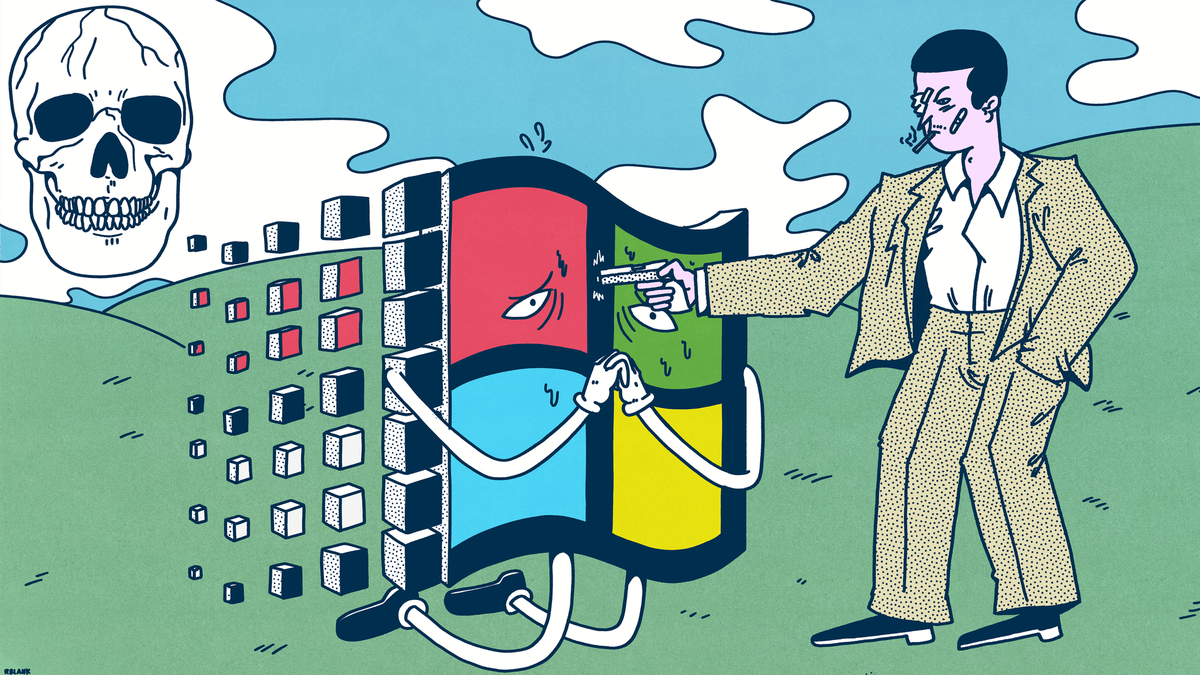
Rethinking Windows: The Case for Alternatives in Computing
The usage of Microsoft Windows has been a longstanding norm for many users, often out of practicality rather than preference. While some iterations of the operating system, such as Windows 10, received mixed reviews, recent observations suggest that Windows 11 has seen a significant decline in user experience. Critics argue this deterioration is part of a broader pattern of neglect and degradation within Microsoft’s offerings.
The Call for Alternatives
As scrutiny around Microsoft grows, fueled by concerns over its corporate ethics and political involvement, the conversation around finding alternative solutions has intensified. The Boycott, Divestment, Sanctions (BDS) movement emphasizes that while boycotting Microsoft’s entire suite may be challenging, especially in professional contexts, using open-source software or less dominant alternatives is encouraged. This approach reflects a shift towards prioritizing ethical choices in technology use.
“Microsoft is a priority target for the Palestinian-led BDS movement because of Microsoft’s decades-long complicity in Israel’s apartheid regime, illegal occupation and ongoing genocide against Palestinians,” stated a representative from BDS, underscoring the need for collective action against complicity in violence.
International Initiatives and National Security
Countries outside the United States have recognized the risks associated with dependence on U.S.-based technology. For example, France’s Interministerial Directorate for Digital Affairs is transitioning toward customized software solutions to enhance national autonomy in the digital realm. Similar initiatives are being undertaken by the Dutch government, highlighting a global trend towards independence from American tech monopolies.
Exploring Linux as an Alternative
The Linux operating system, often viewed as a more ethical alternative, has gained traction, particularly among users seeking to escape the confines of Windows. Historically, the transition to Linux was hindered by software compatibility issues. However, advancements in Linux distributions, such as those optimized for gaming, have minimized these barriers.
Linux offers several user-friendly distributions, inviting newcomers to experiment and find what best serves their needs. For instance, Bazzite stands out for its simplicity and stability, while CachyOS caters to those willing to delve deeper into technical configurations.
Transition Strategies to Linux
If individuals choose to explore Linux, starting with a non-essential device allows for a smoother transition. Users are advised to boot Linux from a flash drive to test different distributions without committing their primary operating system. This trial-and-error method fosters familiarity and comfort with the Linux environment.
Systematic Changes Required to Escape Windows
Transitioning from Windows to an alternative requires addressing system limitations, particularly regarding software availability. Major software suites such as Adobe Creative Cloud present significant challenges, as many professionals rely heavily on these tools. Until more robust alternatives are developed, moving away from Microsoft will demand substantial effort for most users.
Challenges in Game Development on Linux
In the gaming industry, Windows has dominated due to its compatibility and market share. Many developers still prefer to build games for Windows, creating a cycle of reliance that is difficult to break. While some titles run well on Linux, significant challenges remain in game development tools and libraries that are predominantly Windows-centric.
Addressing Hardware Compatibility
The experience of using Linux can differ greatly depending on hardware compatibility. While many devices work seamlessly with Linux, some proprietary hardware may pose challenges, necessitating additional workarounds. Users are encouraged to research their specific hardware to ensure compatibility ahead of transitioning.
Conclusion: Embracing Change for a Better Future
The conversation surrounding Microsoft Windows and its alternatives is complex, influenced by ethical considerations, practical needs, and evolving technological landscapes. As more users and organizations consider diverging from Windows, it is essential to articulate clear pathways toward adopting and successfully using alternatives like Linux. Although the effort required may feel daunting, the benefits of transitioning to a more sustainable and ethical computing environment are increasingly apparent.
