


Significant Crime Reduction Efforts Amid Controversial Juvenile Sentencing in Washington, D.C.
Jeanine Pirro, the U.S. Attorney for Washington, D.C., recently reported a substantial 20% reduction in crime in the district, attributing this achievement to rigorous prosecution efforts. Her focus has particularly highlighted several notable cases, including a Dominican national accused of $1 million in unemployment fraud and a former Federal advisor sentenced for supplying sensitive information to Chinese spies.
Focus on Juvenile Offenders
Amidst these successes, Pirro called attention to the ongoing issues with juvenile sentencing in the district. She advocates for amendments to the current laws that define the age of responsibility for violent crimes. The case of Darius Drew, a 19-year-old who allegedly fired over 20 rounds in a neighborhood—wounding a boy playing basketball—has drawn significant scrutiny. Despite the gravity of the crime, Drew was sentenced to 18 months of supervised probation rather than incarceration, prompting criticism from the White House regarding D.C.’s sentencing policies, described as “insanity.”
Controversial Sentencing Outcomes
In this case, prosecutors initially sought a five-year prison sentence. However, Judge Jennifer Di Toro opted to suspend a two-year prison term under the Youth Rehabilitation Act, which Pirro and others have criticized. “The case illustrates the insanity of Washington, D.C.’s soft-on-crime policies that allow adults to receive just a slap on the wrist for dangerous crimes,” stated White House spokeswoman Lauren Bis.
Drew, who pleaded guilty to aggravated assault and carrying a pistol without a license, had previously spent nearly six months in custody following his arrest on May 22. Evidence presented by federal prosecutors indicated that Drew fired from two locations, injuring the boy in the leg.
The Role of Federal Law Enforcement
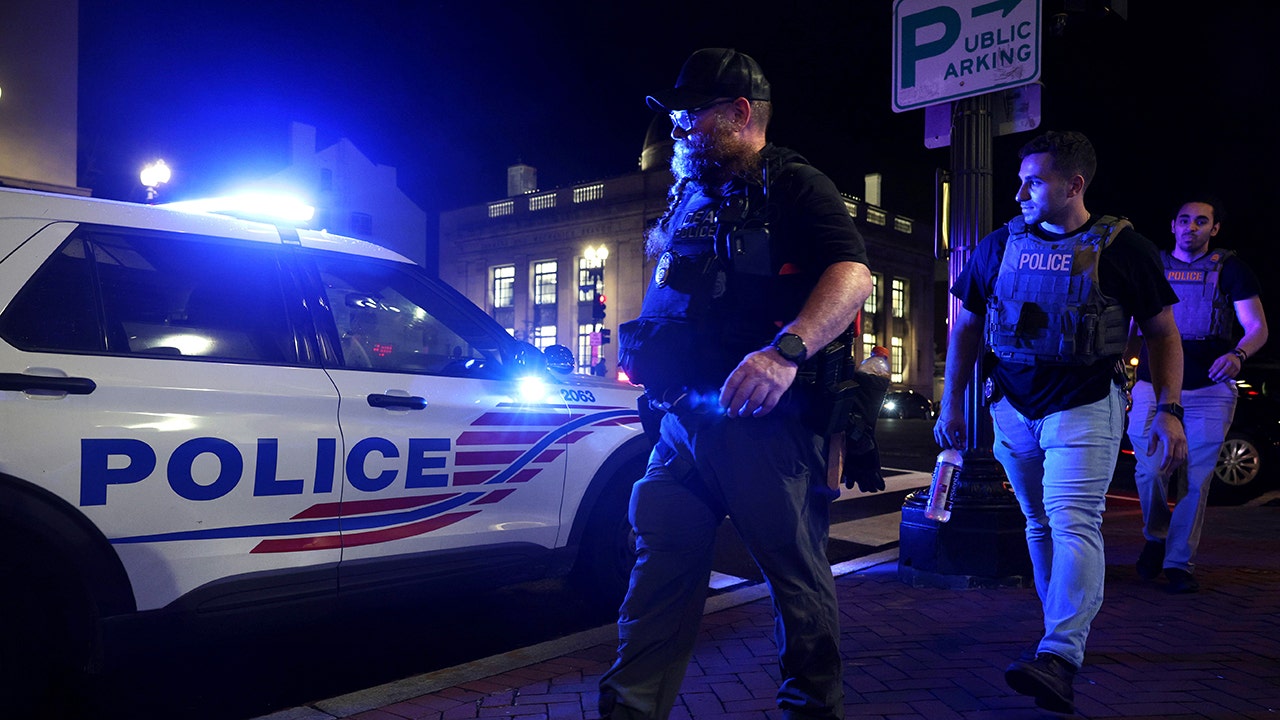
The D.C. area’s crime reduction has also been bolstered by the Safe and Beautiful Task Force established under the Trump administration, which has reportedly led to over 19,000 arrests, encompassing various violent crimes. “It is remarkable that even with these types of radical policies in place, President Trump’s Safe and Beautiful Task Force has been able to drive down violent crime in our nation’s capital,” Bis commented.
Calls for Legislative Reform
Pirro has been vocal about the need for reform in the Youth Rehabilitation Act, particularly given that 96% of young defendants aged under 25 who received felony sentences between 2022 and 2024 in D.C. Superior Court qualified for lenient sentencing under this law. The act allows certain offenders to be sentenced below mandatory minimums, with some able to have their convictions set aside, excluding serious offenses such as murder and certain sexual abuses.
In a letter to the D.C. Council, Pirro previously expressed concern over similar outcomes, citing a separate case where another young offender was given probation after a shooting incident involving multiple serious charges.
Conclusion
The contrast between notable crime reduction efforts in Washington, D.C., and the prevailing challenges posed by lenient juvenile sentencing laws illustrates a complex interplay of public safety and legislative responsibility. Pirro’s efforts underscore the need for a re-evaluation of policies affecting juvenile offenders, emphasizing a balance between rehabilitation and accountability in the justice system.
