


Unique Raptor Behavior Observed in Costa Rica
Published in the Caribbean Journal of Science, this groundbreaking observation highlights a novel predation event among tropical birds of prey.
Unprecedented Predation Event
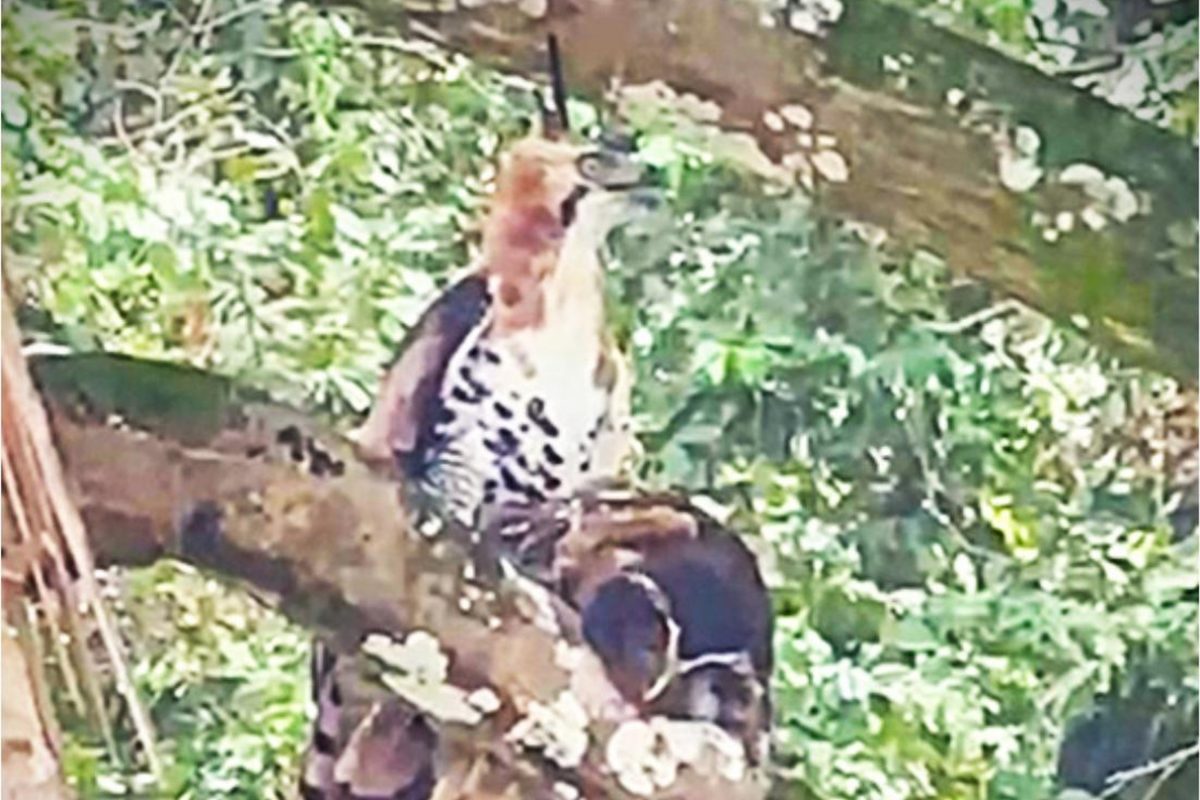
During a recent field study in the lowland forests of Corcovado National Park, researchers documented a remarkable incident involving the ornate hawk-eagle (Spizaetus ornatus) preying on a crested owl (Lophostrix cristata). This occurrence marks the first known instance of such predation, shedding light on the intricate dynamics of raptor interactions.
The Role of Kleptoparasitism
Further complicating the scene was the behavior exhibited by a common black hawk (Buteogallus anthracinus), which attempted to claim the owl as its meal. This action represents a feeding strategy known as kleptoparasitism, where one animal steals food from another. Faced with this challenge, the ornate hawk-eagle defended its catch vigorously, managing to secure the owl before relocating it to a higher perch within the forest.
Characteristics of the Ornate Hawk-Eagle
The ornate hawk-eagle is a formidable raptor commonly found throughout the tropical regions of the Americas. With a wingspan exceeding one meter, these eagles are known for their powerful predation on various medium-sized birds and mammals, including cracids, toucans, monkeys, and squirrels. However, direct observations involving intraguild predation, particularly involving nocturnal owls, remain rare.
Significance of the Finding
The research team expressed that this observation contributes significantly to the understanding of predator-prey relationships within tropical raptor communities. It emphasizes that even medium-sized nocturnal raptors like the crested owl may not be exempt from predation by larger forest eagles. “While a single observation cannot determine the frequency of such events,” the researchers note, “reporting them adds to the baseline knowledge of predator-prey dynamics in tropical raptor assemblages.”
