Close Menu
Newsward
  • World
  • US
    • Politics
  • Tech
    • Science/Tech
  • Money
    • Business and Market Watch
    • Crypto
    • Career
  • Health
    • Fitness
  • State of Women
  • Opinion
  • Sports
    • NFL
    • MLB

Subscribe to Updates

Get the latest creative news from FooBar about art, design and business.

What's Hot

Google gives Gemini the ability to use your Mac for you

November 19, 2026

US zoo staff monitor Fiona the hippo’s rear end for signs of hat she ate | Ohio

November 19, 2026

Kirk Cousins called Fernando Mendoza to “debrief” after rookie’s first start

November 19, 2026
Newsward
  • World
  • US
    • Politics
  • Tech
    • Science/Tech
  • Money
    • Business and Market Watch
    • Crypto
    • Career
  • Health
    • Fitness
  • State of Women
  • Opinion
  • Sports
    • NFL
    • MLB
Subscribe
Newsward
Home » Miles Below the Pacific, Rocks Litter the Abyss. Something Is Alive Inside Them—Thousands of Somethings.
Science/Tech

Miles Below the Pacific, Rocks Litter the Abyss. Something Is Alive Inside Them—Thousands of Somethings.

Kabil Bendress<span class="bp-verified-badge"></span>By Kabil BendressNovember 17, 2026No Comments3 Mins Read
Facebook Twitter Pinterest LinkedIn Tumblr WhatsApp VKontakte Email
Miles Below the Pacific, Rocks Litter the Abyss. Something Is
Share
Facebook Twitter LinkedIn Pinterest Email

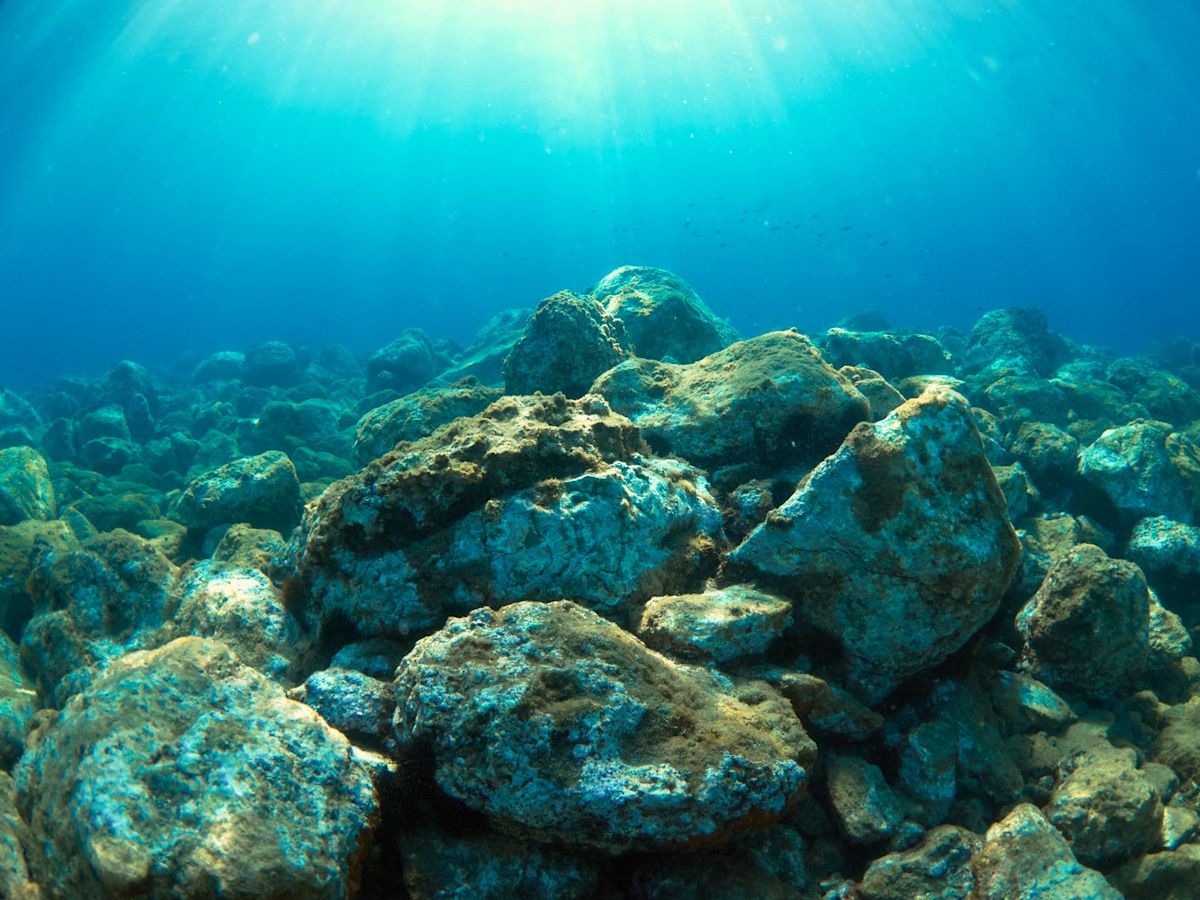
In an era where natural resources are increasingly under scrutiny, polymetallic nodules have emerged as a focal point of scientific interest and debate. These unusual, potato-sized formations can be found in the depths of the Pacific Ocean, particularly in the Clarion–Clipperton Zone (CCZ), located approximately 4,000 to 6,000 meters (about 2.5 to 3.7 miles) beneath the ocean’s surface.

The Value of Polymetallic Nodules

Polymetallic nodules are not just geological curiosities; they contain essential metals such as manganese, cobalt, copper, zinc, and iron. These elements are vital for the development of advanced technologies, making the nodules a target for potential mining operations. However, the ecological implications of such activities cannot be overlooked.

Fragile Ecosystems of the Deep Sea

Unlike the more resilient ecosystems found in coastal areas, deep-sea environments are uniquely delicate. Recent research indicates that these nodules serve not only as mineral deposits but also as distinct ecosystems in themselves, supporting a wide variety of life forms.

New Discoveries in Biodiversity

A study published in the journal Scientific Reports analyzed 244 polymetallic nodules and identified over 4,000 individual organisms residing on their surfaces. On average, each nodule was home to around 17 distinct species, with some nodules hosting as many as 245 different life forms, including single-celled organisms, nematodes, and various small crustaceans. The intricate structures within the nodules provide unique habitats, making them vital for certain species.

Nodules as Habitats

According to Coral Diaz-Recio Lorenzo, a co-lead author from the Royal Netherlands Institute for Sea Research (NIOZ), “The crevices in the polymetallic nodules function as small shelters and provide home to animals that we do not encounter in the soft sediment of the seafloor.” While sediment around these nodules supports diverse life, nodules themselves nurture distinct biological communities.

The Importance of Conservation

The unique organisms found on polymetallic nodules highlight an urgent conservation dilemma. For instance, the single-celled organism Thurammina sp. 1 appears to thrive exclusively on these nodules. The mining of these resources poses a threat to these delicate ecosystems, potentially leading to irreversible loss of biodiversity. As noted by Sabine Gollner, a senior author of the study, “Our findings point out that commercial mining may result in an irreversible loss of undescribed and unique biodiversity associated to nodules.”

Controversies in Deep-Sea Mining

The debate around mining polymetallic nodules is further complicated by emerging studies regarding their ecological roles. Research conducted by scientists from the Scottish Association for Marine Science and Northwestern University suggested that these nodules might produce a rare form of oxygen not reliant on sunlight, dubbed “dark oxygen.” Although initial findings have faced criticism, they underline the need for further investigation into the ecological functions of these formations.

Conclusion: A Balancing Act

As humanity’s technological demands grow, the question remains whether we will prioritize ecological integrity over resource extraction. The delicate ecosystems that inhabit the depths of the ocean and the valuable polymetallic nodules are at a critical juncture, and their future depends on careful consideration of environmental management practices in the context of deep-sea mining.

Abyss Alive Litter Miles Pacific rocks Somethings ThemThousands
Share. Facebook Twitter Pinterest LinkedIn Tumblr WhatsApp Email
Previous ArticleThrough 10 weeks, the AFC playoff field is basically set
Next Article Families of California murder victims ask state Supreme Court to block governor’s commutation of death sentences
Kabilbendress0
Kabil Bendress

Related Posts

Scientists Fear a Biological Apocalypse Could Destroy Us. Now They Have a Way to Stop It.

November 19, 2026

APOD: 2026 November 19 – The Horsehead and Flame Nebulas

November 19, 2026

Observation of tunable superradiant frequency combs

November 19, 2026

What a drawer full of outgrown clothes taught me about the meaning of time

November 18, 2026

Top Articles

GTA 6 Leak: Cyberleek’s 24-Min Lucia Video [2026]

October 12, 2026

How Novig became the third biggest prediction market site despite launching only months ago

November 14, 2026

How does Iran view shift in US approach after JD Vance ordered away? | US-Israel war on Iran News

November 14, 2026

‘A tremendous step backwards’: US could lose measles elimination status under RFK Jr’s leadership | US news

November 11, 2026

Don't Miss

Technology

Google gives Gemini the ability to use your Mac for you

By November 19, 20260

Google Introduces Gemini AI Features for macOS Users On Thursday, Google unveiled significant updates to…

US zoo staff monitor Fiona the hippo’s rear end for signs of hat she ate | Ohio

November 19, 2026

Kirk Cousins called Fernando Mendoza to “debrief” after rookie’s first start

November 19, 2026

White House pool have phones taken away on return from China as speculation mounts over unscheduled stop

November 19, 2026

Subscribe to Updates

Subscribe to our newsletter and stay updated with the latest news and exclusive offers.

About Us
About Us

NEWSWARD is an independent news and media company covering the economy, politics, international affairs, and a changing world. Through articles, podcasts, video, and candid conversations, we connect major events to their impact on your life, your livelihood, and your future.

Our purpose is simple: help you understand what matters, think critically, and make informed decisions.

See what’s happening now. Know what’s next.

Don't Miss

Google gives Gemini the ability to use your Mac for you

November 19, 2026

US zoo staff monitor Fiona the hippo’s rear end for signs of hat she ate | Ohio

November 19, 2026

Kirk Cousins called Fernando Mendoza to “debrief” after rookie’s first start

November 19, 2026
Most Viewed

GTA 6 Leak: Cyberleek’s 24-Min Lucia Video [2026]

October 12, 2026

How Novig became the third biggest prediction market site despite launching only months ago

November 14, 2026

How does Iran view shift in US approach after JD Vance ordered away? | US-Israel war on Iran News

November 14, 2026
  • About Us
  • Contact Us
  • Privacy Policy
  • Terms and Conditions
  • Disclaimer
© 2026 Newsward. All Rights Reserved.

Type above and press Enter to search. Press Esc to cancel.