


Understanding the Legal Landscape of Laser Jammers and Radar Detectors in the U.S.
Evgen_prozhyrko/Getty Images
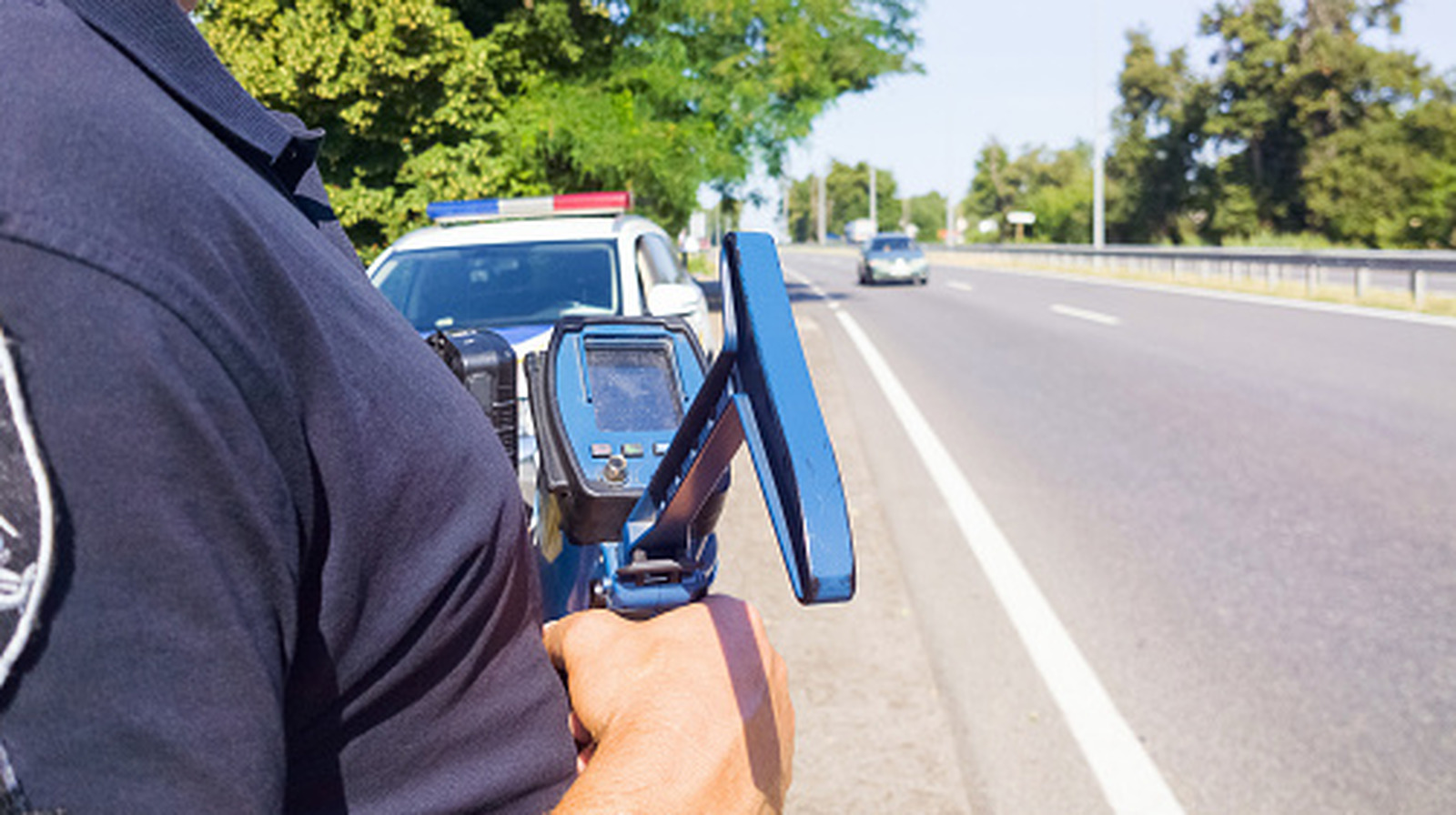
Many drivers, in an effort to evade speeding tickets, turn to gadgets like laser jammers. These devices utilize laser technology to interfere with the operation of police speed guns by emitting infrared signals. This can provide drivers with a crucial moment to reduce their speed before being pulled over. While appealing, it is important to note that not all states in the U.S. permit the use of these devices.
State Legislation on Laser Jammers
As of early 2025, laser jammers are outlawed in 12 states including:
- California
- Texas
- Virginia
- Tennessee
- Nebraska
- Colorado
- Utah
- Oklahoma
- Iowa
- Illinois
- South Carolina
- Minnesota
Additionally, the devices are illegal in Washington, D.C., despite being permissible under federal regulations. Due to their primary design to disrupt police radar systems, state lawmakers have expressed concerns about their legality, viewing them as problematic for road safety.
Radar Detectors: A Different Legal Status
Radar detectors represent another gadget often used by drivers to avoid detection by law enforcement. As of 2025, these devices are banned solely in Virginia and Washington, D.C. They reportedly function differently from laser jammers, as they do not interfere with police devices but instead alert users to the presence of radar signals, giving them a chance to modify their speed accordingly.
Moreover, the usage of radar detectors is restricted on military installations and for certain commercial vehicles over 10,000 pounds.
Safer, Legal Alternatives to Speeding Devices

Visuals6x/Shutterstock
For those looking to avoid speeding tickets without resorting to illegal gadgets, there exist several legal alternatives. One such option is the Waze app, which features a police sighting function. This feature leverages user reports to alert others of police presence along their route, thereby enabling them to reduce speed preemptively.
Furthermore, Google Maps offers features that can help drivers stay within the legal speed limits. The app includes speed limit notifications and has recently rolled out a speedometer for Android Auto users. Such functionalities allow drivers to maintain compliance with speed regulations while driving.
The advantages of using navigation apps like Waze and Google Maps are manifold: they are free, widely accessible, and foster responsible driving habits without the risks associated with unconventional gadgets.
