


The Complex Landscape of Social Media and AI-Generated Content
Understanding Doomscrolling and Its Implications
In the modern digital age, the phenomenon of doomscrolling encapsulates the overwhelming tendency for individuals to endlessly scroll through social media feeds. This behavior is often marked by a feeling of attachment to one’s device, leading to debilitating cycles of anxiety and desensitization. The evolution of the internet over the last decade has significantly altered the way we consume information, raising critical questions about the authenticity of the content that floods our screens.
The Shifting Focus of Online Safety
Previously, concerns regarding online safety predominantly revolved around threats like viruses and malware. However, today’s landscape compels users to scrutinize every image and video, discerning whether they are authentic or artificially created. This surge in doubt regarding the legitimacy of online content has made it increasingly challenging for users to trust the material that they encounter.
AI’s Role in Social Media and Body Image Issues
Prior to the rise of AI technologies, platforms like Instagram were infamous for showcasing heavily edited photographs, fostering unrealistic beauty standards. These enhancements played a significant role in perpetuating body image dissatisfaction and contributing to mental health challenges, particularly among teenage girls.
With the introduction of AI, the situation has escalated, leading to the creation of entirely fabricated images. Some content creators are proactively addressing this issue by presenting side-by-side comparisons of real and doctored images. Nevertheless, the widespread acceptance of artificial content raises substantial concerns for unsuspecting viewers.
The Dead Internet Theory
The Dead Internet Theory posits that a substantial portion of online content, especially on social media, is dominated by non-human entities, including AI-generated materials and corporate narratives. This shift has profound implications for genuine human interaction and connection.
Algorithmic Influence and Content Authenticity
Social media platforms leverage sophisticated algorithms designed to enhance user engagement by presenting tailored content based on individual preferences. While this may offer a personalized experience, it inadvertently diminishes authenticity and diversity, resulting in a more artificial internet experience.
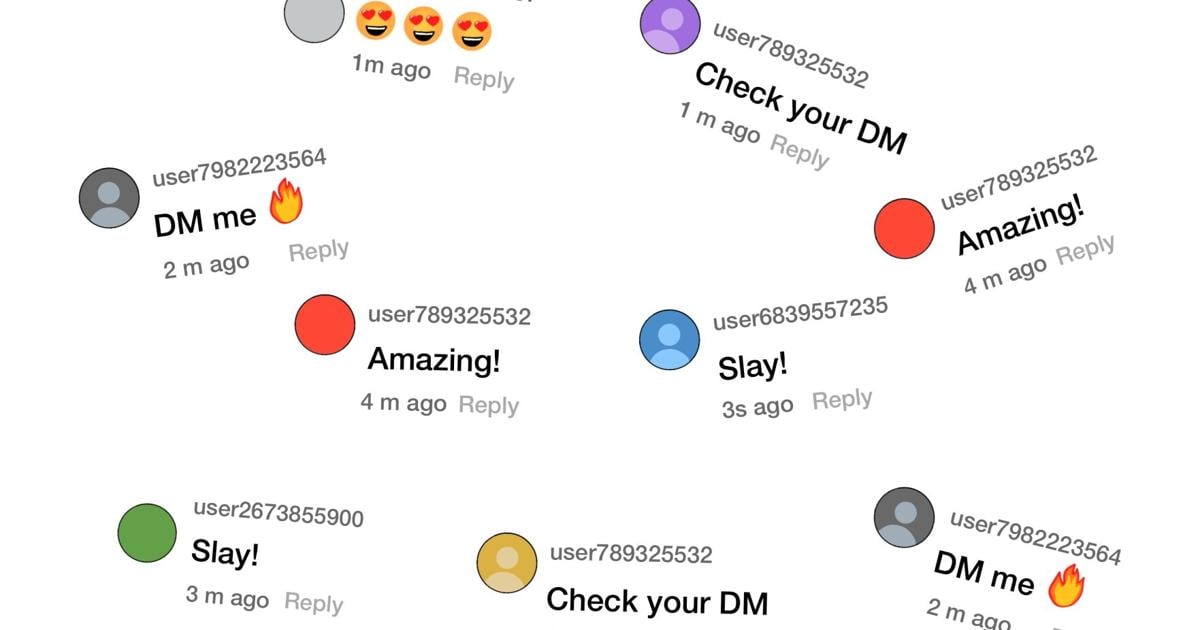
Moreover, the prevalence of bots inflating comment sections further complicates authentic engagement. Users often encounter repetitive comments like “I’m first!” or “early,” which detracts from meaningful discourse. Instead, these artificial interactions create an illusion of conversation while fostering a toxic environment in which dialogue frequently devolves into conflicts rather than constructive exchanges.
The Consequences of Toxic Online Interactions
Research has shown that contentious comments attract more engagement compared to constructive ones, further exacerbating toxicity across platforms. Some studies estimate that as much as 57% of content on specific websites could originate from AI, raising questions about the true nature of online discussions.
Social Media as a News Source: A Double-Edged Sword
Relying on social media as a primary source of news presents significant risks, particularly given the manipulation of discourse through bots engaged in spreading misinformation. This is especially pertinent in a politically charged environment, contributing to increased polarization.
Navigating the Future of Online Content
As AI technologies become more advanced, the challenge of identifying fake content will continue to grow. It is essential for individuals to cultivate a critical awareness of the media they consume, recognizing how deception can manifest in digital formats. Adopting a discerning approach to online interactions will be vital in navigating a landscape increasingly governed by artificial intelligence.
Conclusion
Ultimately, promoting a more transparent and authentic digital environment necessitates vigilance and discernment from all users. By staying informed about the nature of online content and understanding the role of AI, individuals can better protect their mental health and cultivate more meaningful interactions on social media.