


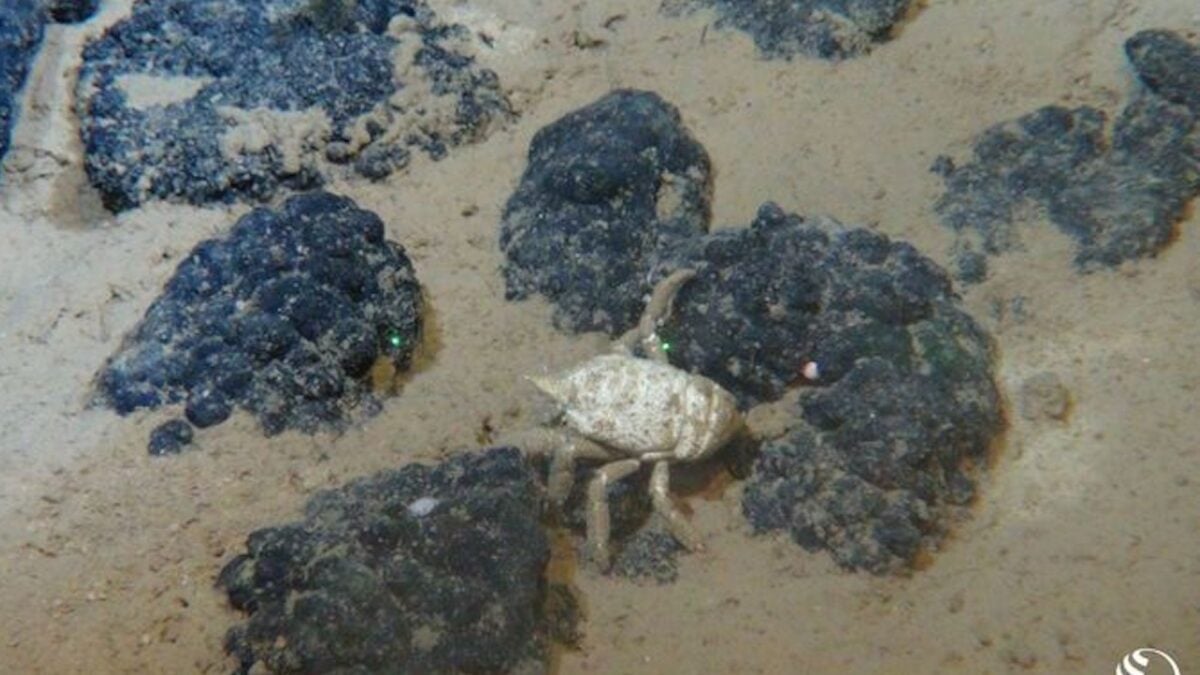
The Hidden Ecosystems of Polymetallic Nodules in the Pacific Ocean
Deep within the depths of the Pacific Ocean lies a remarkable yet often overlooked ecosystem formed around polymetallic nodules. These mineral structures, situated at depths ranging from 13,000 to 21,300 feet (4,000 to 6,500 meters), are drawing attention not only for their ecological importance but also for their potential as a resource for critical metals, positioning them squarely in the sights of the nascent deep-sea mining industry.
What Are Polymetallic Nodules?
Polymetallic nodules are geological formations that begin with a small nucleus, which can be a shard of rock, a fossil, or even shark teeth. Over millennia, these knobs accumulate layers of manganese and iron minerals from dissolved metals in seawater. Formed over millions of years, these nodules grow at an exceptionally slow rate, making them virtually non-renewable on a human timescale.
Recent Discoveries
Recent research published in Scientific Reports has unveiled the rich biodiversity associated with these formations. A team of researchers conducted extensive sampling in the Clarion-Clipperton Zone, a strategic area between Mexico and Hawaii, known for its potential in deep-sea mining. By examining 244 nodules, the study identified over 4,139 microscopic animals that inhabit the tiny crevices and cavities within these rocky formations.
- On average, each nodule contained about 17 animals, with one nodule harboring as many as 245 individuals.
- The crevices within the nodules provide unique shelter for species not typically found in the surrounding sediment.
Lead author Coral Diaz-Recio Lorenzo from the Royal Netherlands Institute for Sea Research emphasized the significance of these findings, stating: “The crevices in the polymetallic nodules function as small shelters and provide home to animals that we do not encounter in the soft sediment of the seafloor.”
Ecological Importance
Compared to the surrounding soft sediment, polymetallic nodules present a hard substrate that supports distinct communities of marine life. The organisms found within nodules exhibit similarities across vast distances, indicating strong ecological connectivity. However, these communities diverge significantly from those inhabiting the sediment, highlighting the vital role that nodules play in sustaining unique ecosystems.
Implications for Deep-Sea Mining
The insights gained from this research bring to light critical considerations for the burgeoning deep-sea mining sector. The authors of the study caution that the commercial extraction of these nodules could lead to irreversible losses of undiscovered and distinctive biodiversity. As researcher Sabine Gollner noted, “Our findings point out that commercial mining may result in an irreversible loss of undescribed and unique biodiversity associated with nodules.” This fact underscores the importance of incorporating ecological knowledge into the planning and management of deep-sea mining activities.
The Race Against Time
As scientists work to map the biological diversity associated with these geological formations, the mining industry is advancing towards potential extraction. This urgent situation necessitates a balance between resource utilization and environmental stewardship, ensuring that the delicate ecosystems supported by polymetallic nodules are preserved for future generations.
